


Chemical manufacturing depends on the safe and reliable handling of aggressive fluids such as acids, solvents, caustics, and specialty chemicals. These substances not only threaten product quality when mishandled but can also degrade the very equipment used to move them. Pumps are at the center of this challenge, and their correct specification determines whether a system operates smoothly for years or fails within months.
When properly selected, a corrosive duty pump delivers years of dependable service and predictable maintenance. If mismatched to the application, however, it can lead to frequent breakdowns, safety concerns, and significant costs.
This overview examines the challenges of corrosive service, lessons learned from field failures, and practical strategies to help chemical plants in Florida, Georgia, and beyond maintain compliance, safety, and profitability.
The Challenges of Corrosive Fluids
Corrosive chemicals attack equipment from the inside out, gradually wearing away materials and seals that were not designed for such service. Common challenges include:
- Material Attack: Acids, caustics, and solvents corrode metals and swell elastomers. Even stainless steel can pit or crack if not correctly matched to the application.
- Seal Vulnerability: Mechanical seals exposed to harsh fluids are prone to early failure, creating maintenance issues and potential compliance risks.
- Demanding Process Conditions: High temperatures, variable flow rates, and pressure surges amplify stress on pump components.
- Environmental Sensitivity: In states like Florida, where regulations protect wetlands and aquifers, even small leaks or spills can result in serious financial and reputational damage.
The Cost of Improper Pump Selection
A single pump failure can disrupt an entire production line. Every hour offline increases lost production, labor waste, and missed deliveries. Improperly specified pumps also create recurring problems such as:
- Material Mis-Match: Cast iron pumps occasionally end up in acid service, where internal components corrode quickly and cause leaks.
- Seal Oversight: Using a single mechanical seal in corrosive duty applications often leads to leakage after only a few hundred operating hours.
- Short-Term Purchasing Decisions: Choosing low-cost pumps to reduce capital expenses frequently results in repeated rebuilds that exceed the cost of a proper engineered solution.
- Neglecting System Design: Poor piping layouts, such as elbows positioned too close to suction lines or undersized discharge piping, create turbulence and shorten pump life.
Each of these issues can lead to downtime, compliance exposure, and inflated lifecycle costs. In some cases, regulatory fines exceed the price of an entire new pump system.
Field Lessons from Pye-Barker Technicians
Pye-Barker service specialists have seen these same issues across numerous chemical plants. Common mistakes include material incompatibility, reliance on single-seal configurations, and failure to plan for high-humidity or high-temperature environments. Many facilities also overlook system-level integration, such as ensuring balanced flow or appropriate redundancy, which directly affects pump longevity.
Best Practices for Corrosive Duty Applications
Field experience and engineering data point to several best practices that consistently extend pump performance and improve reliability:
- Verify Material Compatibility: Use manufacturer data and chemical resistance charts to select materials such as PTFE linings, Hastelloy alloys, or fluoropolymer coatings. Elastomers like Viton or EPDM often provide superior resilience.
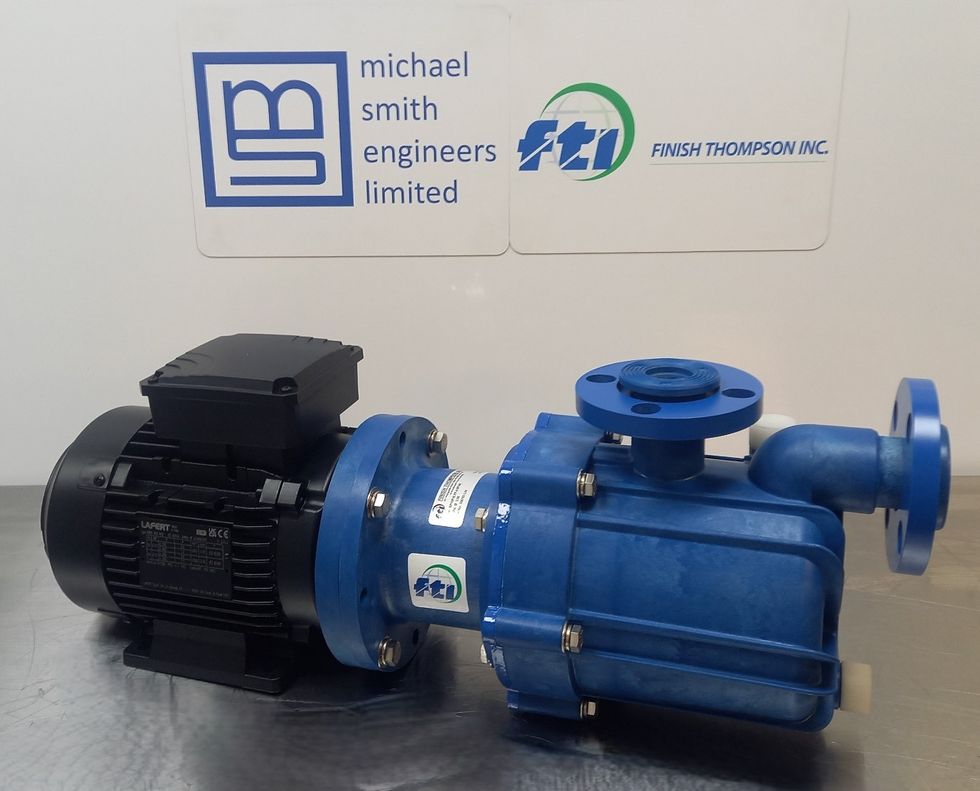
- Select Advanced Sealing Systems: Double mechanical seals, seal pots, and magnetic drive (sealless) configurations reduce leaks and enhance containment. Secondary containment is essential for volatile or toxic fluids.
- Utilize Packaged Pump Systems: Factory-assembled and tested skids integrate pumps, seals, and piping into one engineered solution, simplifying installation and warranty management.
- Adopt Predictive Maintenance: Monitoring vibration, temperature, and seal condition helps identify developing issues before they cause downtime. Predictive monitoring lowers repair costs and improves reliability.
- Design with Redundancy: Dual pump systems with automatic switchover maintain production during maintenance or equipment failure.
Pye-Barker Engineered Solutions: Built for Corrosive Duty
With more than 150 years of combined experience in engineered systems, Pye-Barker Engineered Solutions provides chemical processors with both products and application expertise. The company’s portfolio includes:
- Gear Pumps: Viking Pump models proven in viscous and corrosive applications.
- Centrifugal Pumps: Chemical-duty models from Finish Thompson and Crane Weinman.
- Diaphragm and AODD Pumps: Finish Thompson and ARO units for abrasive or aggressive fluids.
- Mag-Drive and Sealless Pumps: Options from multiple OEMs that deliver zero-leak performance.
- Packaged Pump Systems: Fully engineered and tested assemblies for corrosive chemical service.
Pye-Barker’s strength lies in pairing the right pump design with each process requirement and supporting that equipment with responsive local service teams throughout Florida and Georgia.
Building Reliability Through Engineering and Maintenance
Corrosive duty pumps are specialized tools designed to protect both production and compliance. A poor specification can lead to significant operational and environmental consequences, while a well-engineered system provides long-term reliability and lower total cost of ownership.
By focusing on material selection, sealing technology, predictive maintenance, and integrated system design, chemical manufacturers can prevent failures and protect both their assets and their reputation.
To learn more or schedule a corrosive duty system assessment, contact Pye-Barker Engineered Solutions at 404-363-6000, email sales@pyebarker.com, or visit pyebarker.com.
