

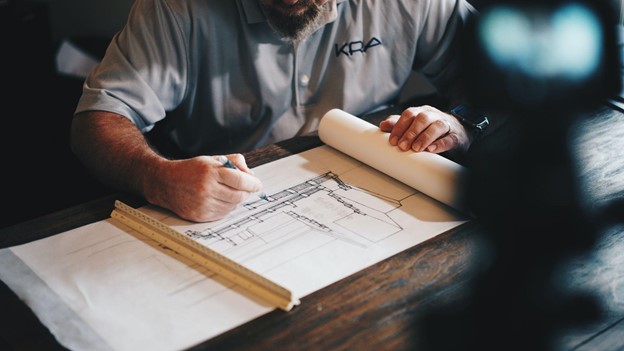
Designing a new commercial building in 2021 isn’t as simple as it used to be. For architects and business owners, though, that’s a good thing. There are now many more options for you to choose from when it comes to materials and building techniques.
Optimizing your energy efficiency, style, durability, and eco-friendliness are just a few of the things you can do with new innovative building materials. There’s a lot to consider when going through the design process for a commercial building, so let’s take a look at a few materials and things to keep in mind before you begin.
1. Extra Insulation
Many commercial buildings have your standard insulation within the walls and other areas, but below grade insulation is another type that should be considered. Below-grade insulation goes around the exterior of the below-grade portion of a building.
Insulating the foundation with this type of product adds even more energy efficiency and also helps to prevent damage to the concrete from freeze/thaw cycles. In some cases, you can even save as much as 20% on your commercial heating bills by installing quality below-grade insulation around your foundation.
2. Air Quality Management
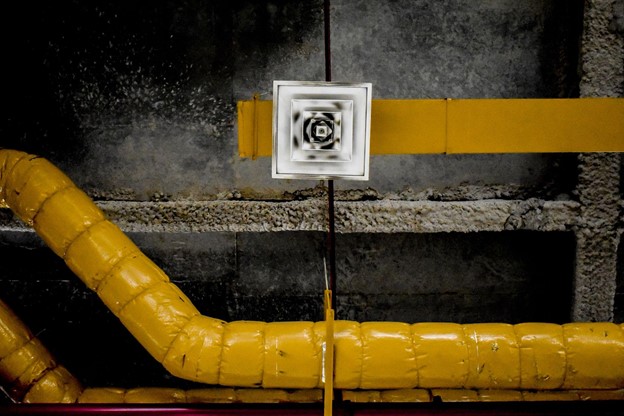
Using industrial dampers in your commercial building is an especially effective way to help clean the air. Dampers are an integral part of managing the air and keeping it from going where it doesn’t need to go.
Commercial buildings don’t always need conditioned air throughout the entire building at once either, so by having dampers that can cut off the flow of air through the HVAC system, you can more efficiently heat and cool your building as required.
3. Durable Foundation/Wall System
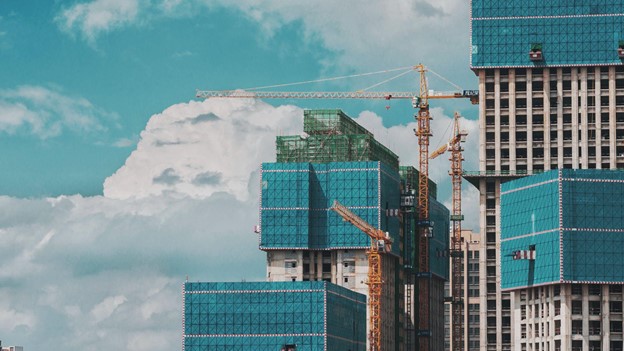
For commercial buildings, you need the highest level of durability and energy efficiency possible to cut costs, lower maintenance requirements, and maximize eco-friendliness. By using ICF construction as your building method for creating the foundation and walls, you can accomplish all three of these things at once.
ICFs are insulated concrete forms. They are hollow concrete blocks surrounded by an insulating fluid and linked together by rebar. ICFs are used to build both the foundation and the walls, creating a fully interlocked wall system that is much more durable and airtight than a wooden framework.
If your building is located in an area where hurricanes or tornadoes are a concern, this is the strongest type of material to use during construction. It’s so sturdy and airtight that ICFs are now used to build storm shelters all across the country.
4. Under-Floor Heating
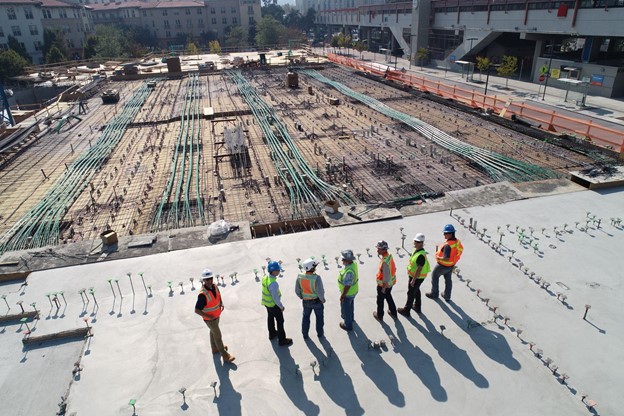
Commercial buildings are often pretty big in size, which means it can be a burden for an HVAC system alone to heat and cool them. One method builders are turning to now is the use of industrial radiant heating systems to help heat rooms from the bottom up.
With forced-air systems, the air is pushed in through an opening in the wall, usually from a single vent in each room, or multiple vents depending on how big the room is. This heats the room at an awkward angle, leading to cold spots and taking longer to achieve the desired effect.
Under-floor heating systems like radiant industrial heating use coils filled with hot air or hot water to heat rooms from the bottom up. This heats a room much faster and more evenly, allowing you to cut costs on forced-air heating.
Modernize Your Commercial Building with These Materials
If you want to cut costs as much as possible while still building a durable, comfortable, efficient, and eco-friendly building, you can’t go wrong with any of the materials we’ve listed here for you. From dampers to below-grade insulation, under-floor heating, and ICF construction, any one of these options would make a fine addition to your new commercial building.
Max Shafer is a contributor to the Innovative Building Materials blog. He is a content writer for the construction and home improvement industries with an interest in landscaping, outdoor remodeling, and interior design. Max is focused on educating homeowners, contractors, and architects on innovative materials and methods of construction that increase property value, improve sustainability, and create a warm and welcoming ambiance.
