

From consolidating vendors to leveraging digital tools, here’s how U.S. manufacturers are saving money while staying resilient in a volatile market
The New Economics of Industrial Buying
In 2025, U.S. manufacturers are contending with unrelenting cost pressures, global uncertainty and, in recent, months a complex patchwork of tariffs and trade disruptions. According to the National Association of Manufacturers (NAM), 76.2% of firms cite trade policy uncertainty as a top business concern—up significantly from late 2024. At the same time, 62.3% report rising raw material costs as a major strain.
Freight, fuel, and labor markets remain volatile. Intensifying U.S. tariffs, some reaching up to 245% on Chinese imports, for instance, have only amplified sourcing instability. Faced with these headwinds, industrial buyers are adapting—not just reacting. Through smarter sourcing, supplier consolidation, tech adoption, and long-term thinking, buyers are rewriting the playbook for procurement success.
Consolidation: Doing More with Fewer Vendors
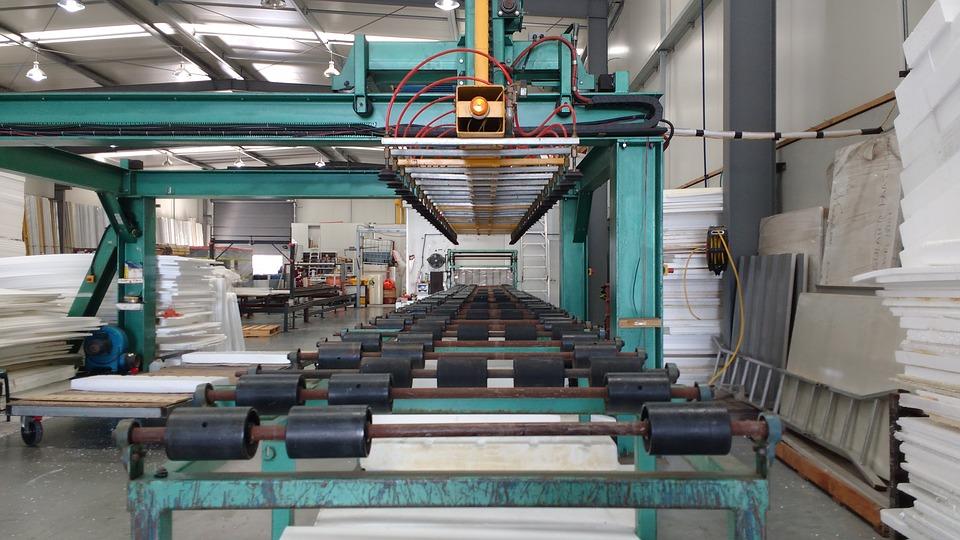
Industrial buyers in 2025 are looking to trim their supplier rosters. The goal: strengthen relationships, simplify operations, and unlock bulk savings. Rather than spreading purchases thinly across dozens—or even hundreds—of vendors, leading procurement teams are intentionally trimming their supplier rosters to focus on a smaller number of highly capable, strategically aligned partners.
One of the primary benefits? The reduction of logistical and administrative complexity. Managing fewer vendors means fewer purchase orders, shipments, and invoices to track, which translates into significant savings in both time and resources. Streamlined procurement operations free up teams to focus on higher-value strategic initiatives rather than chasing paperwork or resolving billing errors. Consolidated shipments can also lead to lower freight and handling costs, delivering a direct financial benefit to the bottom line.
At the same time, fewer suppliers often mean better service. Buyers who consolidate their spend typically build deeper, more collaborative relationships with key vendors. These partners, invested in the success of the relationship, are more likely to offer priority production slots, faster response times, and enhanced support. In an environment where lead-time reliability can make or break a project timeline, these stronger partnerships are critical. Vendors are also more willing to collaborate on demand forecasting, allowing buyers to better manage inventory levels and avoid costly stockouts or overproduction.
Perhaps just as importantly, concentrating spend with a smaller group of suppliers strengthens the buyer’s negotiating power. Buyers with larger consolidated orders can command better unit pricing, volume discounts, and value-added services that might not be available to lower-volume customers. In many cases, strategic sourcing agreements are negotiated, locking in stable pricing and service-level commitments for six to twelve months or longer.
Beyond savings and service improvements, consolidation also helps buyers manage risk more effectively. With fewer vendors to monitor, companies can more easily track supplier performance, assess risk exposure, and respond quickly to disruptions. Stronger supplier relationships often mean priority treatment during times of scarcity, whether the disruption stems from a tariff shock, a logistics bottleneck, or political unrest.
But industrial buyers beware: don’t put all your eggs in one basket. The most successful buyers are not simply narrowing their vendor lists; they are selecting suppliers who can offer flexibility, multi-location manufacturing capabilities, and proven track records of adaptability.
Longer-Term Contracts: Locking In Pricing Stability
As inflationary pressures continue to bear down on manufacturers in 2025, locking in stable pricing is another strategy buyers are leveraging. With raw material prices projected to rise another 5.5% this year, many industrial buyers are turning to longer-term contracts as a shield against unpredictable cost surges and supply disruptions.
In the past, many procurement teams preferred the flexibility of short-term buying cycles. Today, that flexibility comes at a premium. Suppliers, grappling with their own cost volatility across metals, plastics, labor, and transportation, are increasingly pushing for longer commitments—and buyers are responding. Six- to twelve-month contracts have become the new norm in many sectors, helping buyers lock in pricing before the next raw material spike or tariff takes effect.

Some firms are going even further. Strategic buyers are negotiating multi-year agreements, offering volume guarantees or early payment terms in exchange for significant benefits such as:
• Priority production slots, ensuring access even during supply shortages
• Fixed or capped pricing structures that guard against inflation shocks
• Preferred access to stock for critical components or materials
Beyond price protection, longer-term contracts can deliver operational and strategic advantages. Suppliers often extend better service terms, technical support, and joint planning opportunities to customers who demonstrate a commitment to long-term partnership. In a 2025 survey of industrial sourcing executives, buyers who had structured long-term agreements reported stronger supplier responsiveness and better access to value-added services, such as co-engineering support or logistics assistance.
While there are trade-offs—longer commitments can limit agility if markets shift rapidly—the current economic climate heavily favors those buyers who can act decisively to lock in favorable terms.
Automation and Digital Procurement Tools
Industrial buyers are also embracing automation to streamline sourcing and decision-making. From AI-driven supplier scoring to real-time analytics dashboards, procurement teams are cutting manual work and boosting data clarity.
Key benefits:
• Faster response times and shorter sourcing cycles
• Smarter risk management through predictive supplier performance tools
• Seamless integration with ERP systems for visibility and planning
A recent Fictiv survey found that 77% of supply executives cite lack of resources as a major constraint—making automation not just helpful, but necessary. With AI reducing grunt work, teams can focus on strategic planning, vendor relationships, and cost optimization.
Smarter Sourcing with Marketplaces
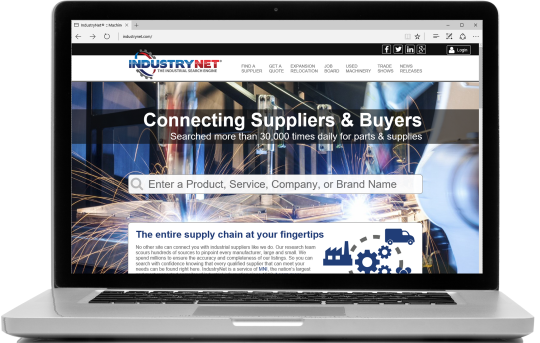
In an environment where supply chain disruption, price volatility, and sourcing delays are the norm, digital sourcing platforms have become essential tools for industrial buyers fighting inflation and risk exposure. Among these platforms, IndustryNet stands apart—not just in size, but in quality, reliability, and depth of information. Free for buyers, their competitive quote request tool make it easy for buyers to gather bids and information from multiple suppliers quickly.
Unlike many online marketplaces that rely on bots to scrape and assemble outdated or inaccurate data, IndustryNet is built on a foundation of human research, rigorous verification, and cutting-edge technology. Their listings—more than 350,000 verified U.S. industrial suppliers—are maintained through a uniquely thorough process that involves both proprietary systems and the hands-on work of a dedicated team of over 80 researchers.
In a sourcing climate dominated by volatility, this depth of verification gives buyers an enormous advantage. Instead of relying on outdated or self-managed listings—as is common on other platforms—buyers using IndustryNet know they are accessing the most current, complete, and comprehensive supplier data available anywhere. Every qualified supplier is included, not just those who pay for a listing or manually create a profile.
As one user put it in a recent review: "We purchased $100,000 in building maintenance services, control systems & health seating with your guide. We use it regularly." – Science International, LLC
In a time when supply chain resilience is critical and inflationary pressures are unrelenting, IndustryNet offers a sourcing edge built on trust, accuracy, and unmatched industrial expertise.
Resilience Through Smarter Choices
2025 is proving that supply chain inflation is not going away. But industrial buyers aren’t standing still. Through supplier consolidation, longer-term contracts, smarter sourcing with platforms like IndustryNet, and greater tech adoption, procurement leaders are reshaping their operations for resilience and cost-efficiency.

In 2025, industrial buyers are increasingly on the hunt for new suppliers. Make sure they can find your business! Learn more about IndustryNet's marketing solutions.
Explore smarter tools. Build stronger partnerships. Cut costs—without cutting corners.
Want to explore this topic further? Check out this MNI University masterclass on lowering indirect costs in manufacturing:
