

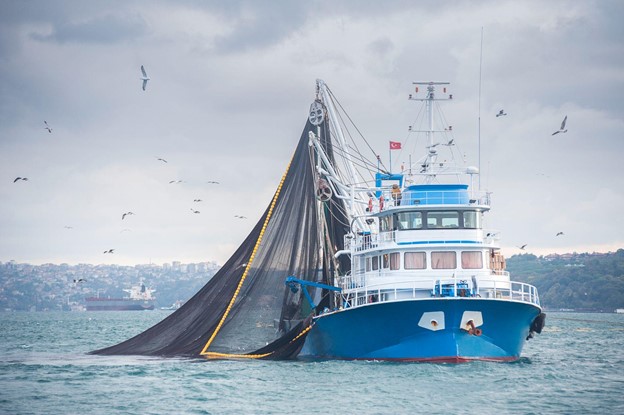
For industries that operate in or near water, marine wire rope is an essential. It’s strong, versatile, and manufactured with unique features to tackle one of the greatest challenges of any maritime industry: corrosion.
Corrosion is a serious problem. According to one study, 6.2% of the United States’ annual GDP is allocated to fix or replace corroded equipment and repair other damages caused by corrosion. Using marine wire rope helps prevent lost time and excessive spending often associated with costly corrosion repairs. Marine wire ropes are also engineered to withstand the rigorous demands of high-stress environments like offshore drilling and commercial fishing operations.
In this article, we’ll explain why this type of rope is worth the investment and how maritime operators and manufacturers effectively use it.
The Importance of Corrosion Resistance
Corrosion is a natural process where refined metals decompose over time. A chemical change occurs in the metals and results in rusting, brittleness, stiffness, or total structural failure. Some corrosion is inevitable, however, several factors can dramatically increase its timeline. Moisture and salt are two such factors.
In a marine environment, the humidity and salty air can cause more rapid degradation of standard wire rope. Additionally, many maritime industries place their equipment under heavy stress during regular operation. Wire ropes are often subject to extreme loads, high tension, and unavoidable abrasions.
That’s why it’s vital to choose a wire rope that’s specifically engineered for corrosion resistance in marine environments.
Types of Corrosion-Resistant Wire Rope
All wire rope is made by twisting multiple metal wires around a core strand. Corrosion-resistant marine wire rope is usually manufactured from carbon steel or stainless steel, engineered with several additional unique features. Some of the most common types of corrosion-resistant wire rope for maritime use includes:
Lubricated Wire Rope
This type of wire rope is made of metal strands that are lubricated with a petrolatum compound, an asphaltic compound, or various greases thickened with sodium or lithium agents. This lubrication reduces friction and acts as a coating that helps prevent corrosion.
When considering lubricated wire rope, one may encounter the term “bright wire rope.” This is a subcategory of lubricated wire rope made from plain carbon steel wires. Bright wire ropes are further categorized, from A to D ratings, based on the density of the lubricant. A denser lubricant is typically required for heavy machinery like oil and gas drilling equipment.
Jacketed Wire Rope
Other types of wire rope for marine use are “jacketed.” This means the wire strands are coated in a protective substance like polyvinyl chloride (PVC), polypropylene, high-density polyethylene (HDPE), or nylon.
Like lubrication, the jacketing process protects the wires from exposure to environmental damage as well as general wear-and-tear. The jacket coating can also be manufactured in many different colors to increase safety and visibility, or simply meet aesthetic requirements.
Combination Wire Ropes
Some marine wire ropes are both lubricated and jacketed. Each type of rope has different commercial and industrial applications. They are often used together.
Uses for Marine Wire Rope
Commercial Fishing
Thanks to its anti-corrosion properties and high strength, marine wire rope is ideal for commercial fishing and aquaculture. From raising and lowering fishing nets to anchoring vessels, operators can rely on maritime wire rope for efficiency and safety. This type of rope is also more cost-effective, as it requires replacing less often than standard wire ropes.
Offshore Drilling
Anti-corrosion wire rope is preferred in offshore drilling operations due to its durability and rating for heavy loads. It’s a perfect choice for harsh marine conditions and frequent exposure to saltwater. Wire rope made for marine use can support drilling equipment as well as the structure of the rig itself.
Maritime Shipping
Maritime shipping requires a wire rope that resists water damage while also securing cargo and withstanding intense wear. Marine wire rope is used in the shipping industry to winch and tow vessels, lift and lower cargo and equipment, and more. In areas affected by thick marine fog, the bright colors of a jacketed marine wire cable may also reduce accidents by increasing visibility.
Other Applications
Other applications for corrosion-resistant wire rope include maritime construction, oceanographic research, and various naval operations. Additionally, many individuals use marine wire ropes. They can be used to launch personal watercraft or moor them to stationary objects like docks and buoys.
The best marine wire rope can withstand whatever the ocean throws at it, from corrosion to powerful waves and currents. Its flexibility, durability, and capacity to withstand intense pressure and heavy weight make it a superior option.
Wire Rope: A Maritime Favorite
Industries that rely on the ocean or other large bodies of water will benefit from using marine wire rope. Thanks to their corrosion-resistant properties, these wire ropes can help maritime operators extend the life of their vessels and other equipment. They can also improve safety and help businesses meet OSHA standards.
Marine wire rope is the obvious solution for many logistical challenges facing maritime industries. Whether big or small, all maritime operations require the best equipment like corrosion-resistant wire rope. It’s worth the investment.
