

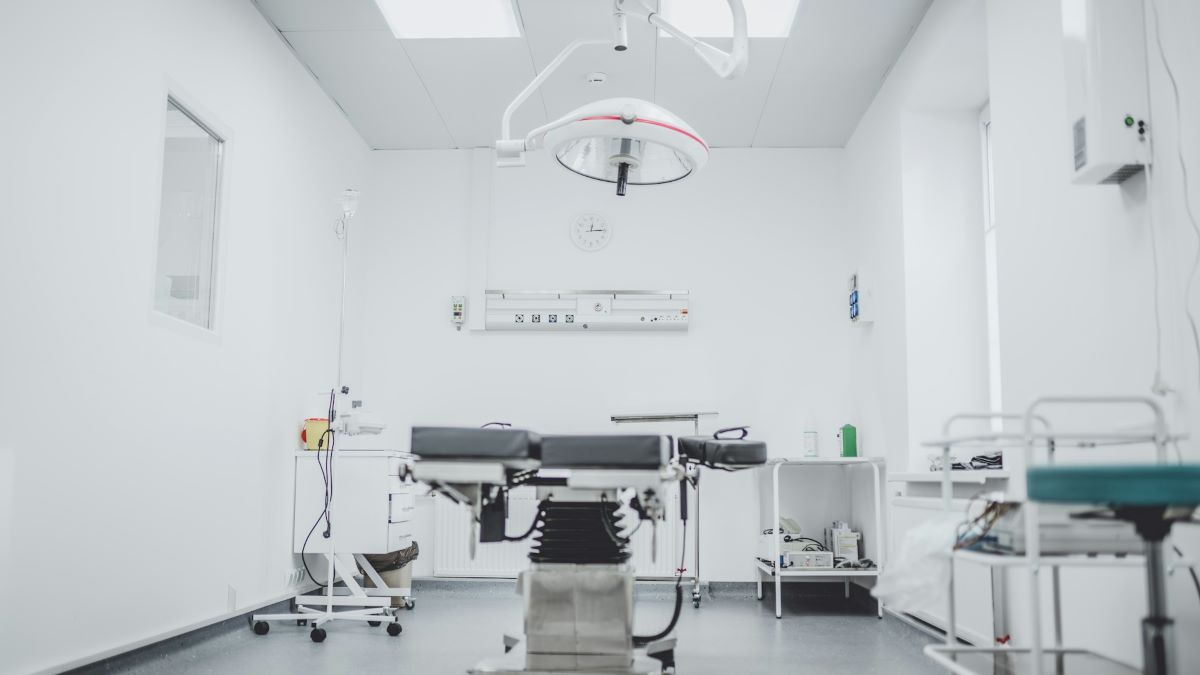
Healthcare centers rely on medical gas systems and air compressors consistently throughout the day. Whether they are found in operating rooms, emergency departments, patient recovery areas, or intensive care units, these pieces of machinery are vital to supporting the operation of critical equipment and procedures in patient care.
Medical air compressor systems are particularly essential, as they provide clean, pressurized air for ventilators, surgical tools, anesthesia systems, and respiratory equipment. Equally important are vacuum systems, which support suction systems used throughout hospitals and other medical facilities.
In contrast to typical commercial compressed air systems, medical air systems in healthcare settings must satisfy rigorous purity, reliability, and performance standards. Even the smallest interruption or system issue can create operational concerns and jeopardize patient safety. Because of these requirements, healthcare centers have to treat medical gas maintenance as a crucial part of facility operations rather than a reactive repair problem.
What Makes Preventive Repair Essential?
One of the most vital responsibilities of healthcare centers is establishing and maintaining proper preventive maintenance programs for vacuum and medical gas systems within their facilities.
Preventive maintenance practices help reduce system failures, compliance issues, and equipment degradation. These practices also enable healthcare centers to quickly identify system issues, for example leaks, contamination, and performance problems, before they become more significant and interrupt operations.
Medical gas systems are required to run continuously throughout the day and night in the majority of healthcare settings. Compressors, dryers, pumps, filters, valves, and alarm systems are all important components of gas systems that experience wear and tear throughout use. Systems that lack routine inspection and maintenance practices can encounter minor issues that result in unexpected downtime or lowered performance.
Preventive maintenance procedures also help healthcare facilities lengthen equipment lifespans and avoid emergency repairs.
Healthcare air compressors and vacuum systems have several parts that need regular inspection and maintenance. These include:
- Compressors and Vacuum Pumps: Frequently inspect both compressors and vacuum pumps for issues like wear and tear, vibration, and overheating. Also, keep an eye out for oil-related issues that may require additional lubrication. Unexpected changes in pressure should trigger alarm systems, but they should also be checked regularly. Issues with the performance of your compressors or vacuum pumps can be an indicator of larger problems, so ensure they are properly addressed before small issues have a chance to escalate.
- Alarm Systems: Alarm systems are key for compressor systems and vacuum pumps in healthcare settings, as they alert facilities to system abnormalities such as improper pressure levels and equipment failures. Like the rest of the system, alarms should be tested regularly to ensure they are operating properly.
- Filters and Dryers: Air purity standards are of significant importance in healthcare settings, and filters and dryers are responsible for maintaining that level of purity throughout the system's use. When filters become saturated or worn, they can negatively affect system performance and lower air quality. Dryers must also be closely monitored to ensure moisture levels remain within an appropriate range.
- Piping and Valves: Piping and valves are another consideration in preventive maintenance practices. Pipes can develop leaks or corrode, while valve failures can reduce system efficiency and compromise pressure stability. Frequent inspections and preventive maintenance can help identify problems in piping and valve connections before they affect system operation.
- Backup Systems: Backup systems are extremely common in healthcare settings, where systems must operate 24/7. These systems are utilized during emergencies or when primary systems are down for maintenance. While these systems are not used as often as primary systems, keeping them in working order is essential in case of emergencies that require their use.
Preventive maintenance practices and ongoing monitoring are important for medical systems and should be undertaken by personnel with appropriate qualifications to ensure the safe and reliable operation of compressed air and vacuum pump systems.
Trained technicians ensure that quality indicators such as dew point, air purity, pressure, and carbon monoxide levels remain within safe parameters, allowing machinery to operate reliably. Preserving detailed repair and maintenance documentation is also important in healthcare settings where everything done to these systems can impact patient health.
Technicians who are properly trained and certified will understand NFPA requirements and maintain patient safety are their primary focus, meeting the strict standards that healthcare facilities must meet.
Why Choose ESA?
Healthcare centers often work with service providers to maintain compressed air and vacuum systems, particularly when specialized compliance-related maintenance practices are required.
Engineering Sales Associates provides technical support and maintenance services for healthcare facilities, including medical gas and vacuum systems. ESA's technicians have decades of experience and have earned ASSE 6040 certifications, making them leaders in the maintenance of compressed air and vacuum systems in medical settings.
