

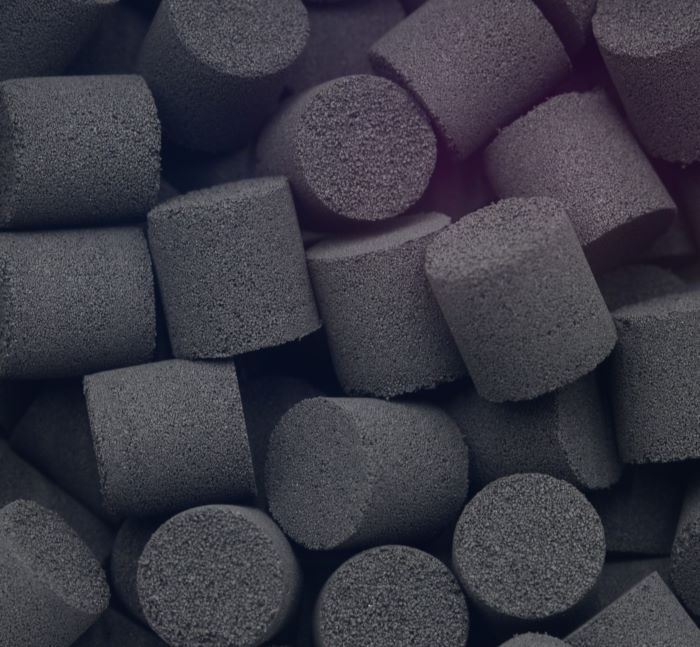
Numerous technologies play crucial roles in reducing environmental pollution and protecting public health, whether in general industry, in the MedTech sector, the biotech sector, or other sectors altogether. These include adsorptive filters, catalytic converters, scrubbers and bioreactors. As a custom contract manufacturer geared to rapid prototyping for design engineers, product development engineers, and research and development teams, Polystar Technologies provides expertise in precision-molded filters and filter elements for each of these technologies:
1. Adsorptive Filter Elements:
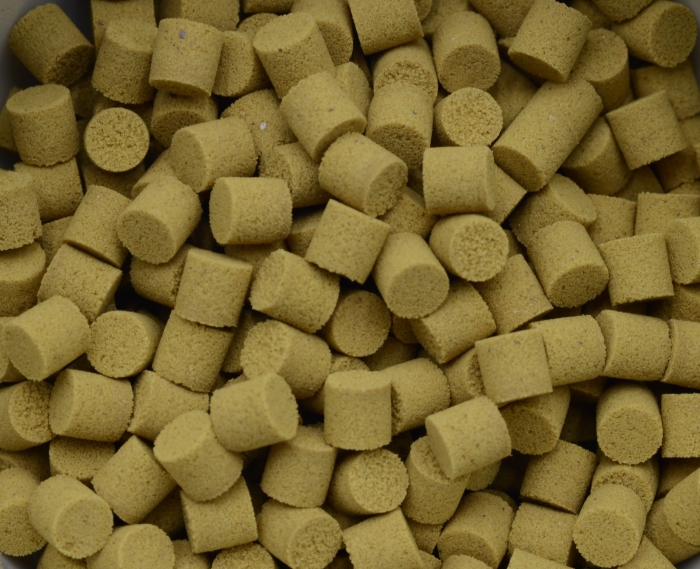
• Function: These filters use adsorption to remove contaminants from gases or liquids or to adsorb noxious, toxic, or volatile gases. Adsorption involves the adhesion of molecules from a gas or liquid onto the surface of a solid material.
• Materials: Common adsorbents include activated carbon, silica gel, and zeolites, but can also be oxides of various types, ion-exchange resins, titanium, barium, activated alumina, alumina, biochar, or diatomaceous earth.
• Applications: Adsorptive filters are used in air purification, water treatment, and industrial processes to remove a variety of contaminants, including volatile organic compounds (VOCs), toxic chemicals, odors, and other target chemicals.
2. Catalytic Converters:
• Function: Catalytic converters to reduce harmful emissions from exhaust streams. But the term is also used on occasion by engineers in the MedTech sector and various industrial applications. Catalytic converters transform pollutants like carbon monoxide (CO), hydrocarbons (HC), nitrogen oxides (NOx), ethylene oxide (EtO), hydrogen peroxide (H₂O₂), and Chlorine Dioxide (ClO₂) into less harmful substances like carbon dioxide (CO₂), water (H₂O), and nitrogen (N₂).
• Materials: Catalytic converters use a catalyst, typically made of platinum, palladium, and rhodium to facilitate chemical reactions that convert harmful gases.[1][2].
• Applications: Catalytic converters are used primarily in automotive exhaust systems to meet emission standards and reduce air pollution. But they are also used in other types of vehicles, generators, mining equipment, ships, and a variety of MedTech and biotech applications. For applications that do not have to withstand high temperatures beyond approx. 250° C or 480° F, sintered porous plastics may be an option.
3. Scrubbers:
• Function: Scrubbers use a liquid to wash unwanted pollutants from a gas stream or use adsorptive material to adsorb target chemicals from a gas stream. They are commonly used to remove pollutants from industrial exhaust streams. Beyond industrial settings, however, scrubbers are also used in MedTech and biotech applications, primarily for maintaining cleanliness and controlling contamination.
• Types: Common types of scrubbers include wet scrubbers (which use a liquid to capture pollutants) and dry scrubbers (which use a dry reagent or slurry). Polluted gas streams are passed through a scrubbing media which absorbs or reacts with the pollutants, effectively removing them from the gas stream[3].
• Materials: In scrubbers, various adsorptive materials are used to capture and remove pollutants from gas streams. Come commonly used materials include activated carbon, zeolites, alumina, silica gel, and calcium-based compounds
• Applications: Scrubbers are often used in industries like power plants, chemical manufacturing, and waste incineration to control emissions of sulfur dioxide (SO₂), particulate matter, and other pollutants. However, in the MedTech and biotech sectors can employ scrubbers made from sintered porous plastics to maintain high levels of cleanliness or purity.
4. Bioreactors:
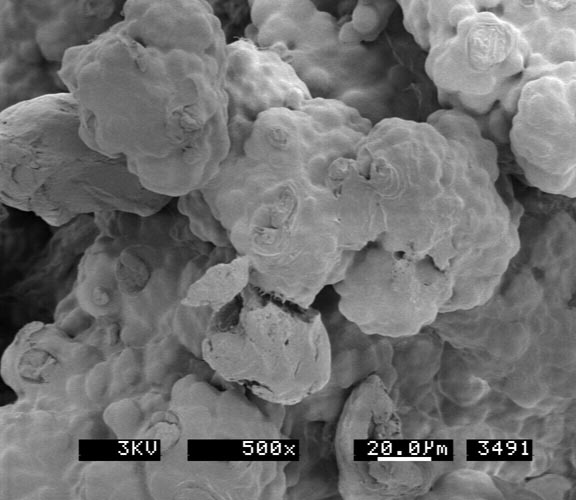
• Function: Bioreactors use microorganisms to degrade or transform toxic chemicals into less harmful substances.
• Applications: Commonly used in wastewater treatment and soil remediation to clean up contaminated sites. Sintered porous plastics are used in bioreactors primarily for gas diffusion and aeration. Some key applications are:
1. Gas Sparging: Sintered porous plastics are used to create spargers, which introduce gases like oxygen or carbon dioxide into the liquid medium. The tiny pores in the plastic produce small bubbles, increasing the surface area for gas exchange and enhancing the efficiency of processes like fermentation[4].
2. Filtration: These materials can also act as filters, removing particulates from the liquid medium. Their controlled pore size distribution ensures that only particles above a certain size are filtered out, maintaining the purity of the bioreactor environment[5].
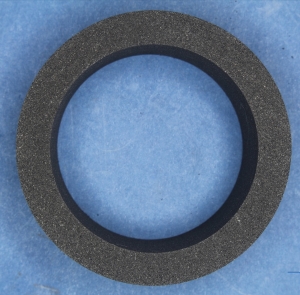
3. Fluid Distribution: Sintered porous plastics help evenly distribute fluids within the bioreactor. This uniform distribution is crucial for maintaining consistent conditions throughout the reactor, which is essential for optimal microbial or cellular growth.
4. Wicking and Absorption: In some bioreactor designs, sintered porous plastics are used for wicking and absorption, helping to manage moisture levels and distribute nutrients evenly[5].
Other products and methods can be used to remove chemicals from various environments, including incinerators, electrostatic precipitators, and photocatalytic oxidation systems. However, because sintered porous plastics from Polystar are not widely used in these types of solutions, they are not the focus of this article.
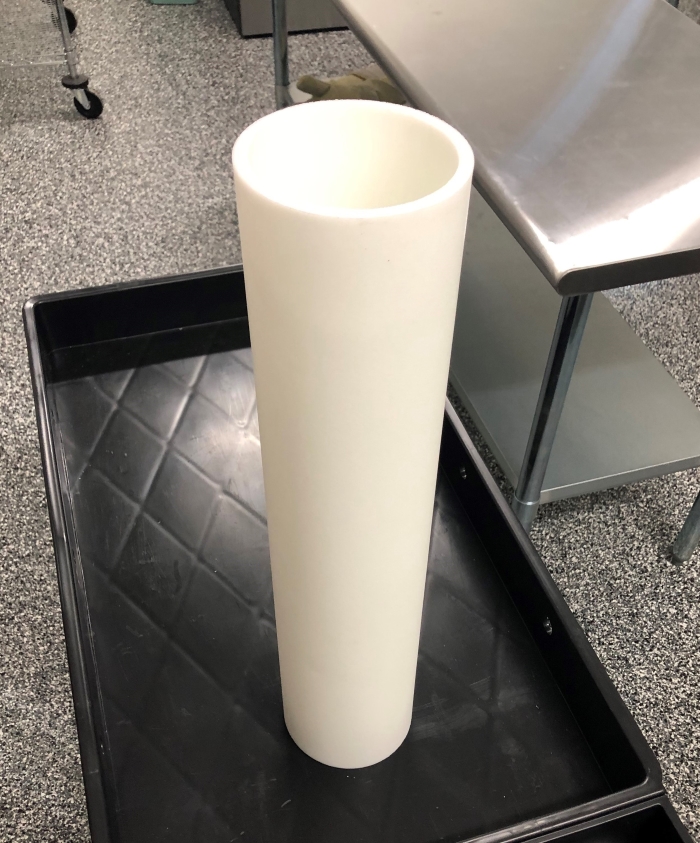
In summary, sintered porous plastic media incorporating selected adsorbents can be used to reduce environmental pollution and protect public health in clinical and industrial settings, vehicles, and other environments. Various technologies play a crucial role in this, but they operate through different mechanisms and are suited for different applications. Contact Polystar Technologies at www.polystar-technologies.com to learn more about how to leverage the unique properties of sintered porous plastics for your specific application.
References
[1] DPF vs Catalytic Converter: Differences & Recycling | Recohub
[2] Diesel Particulate Filters (DPF) & Catalytic Converters: An Analysis ...
[3] The Different Types of Catalytic Converters - MagnaFlow
[4] What Is a Porous Sparger? - Saifilter
[5] Applications for Sintered Porous Plastics - Polystar Technologies
