

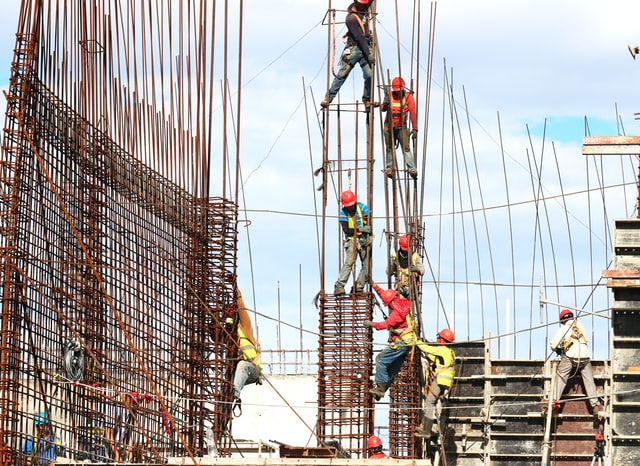
In March of 2021, the Biden Administration unveiled the American Jobs Plan, a historic infrastructure plan with the goal of remedying a range of challenges, from rebuilding the nation’s aging infrastructure to renewing the electrical grid and investing in electric vehicle production to supporting advanced U.S. manufacturing. The massive infrastructure plan has since gone through several iterations in the House and Senate, with a final bi-partisan Infrastructure Investment and Jobs Act finally passing November 4th and signed into law by President Joe Biden Monday, November 15th. With a $1.2 trillion price tag, it is the largest infrastructure bill in U.S. history.
So what is in the final bill and which manufacturing industries are most likely to be impacted? Today, we are exploring the details of the final bills and the industries on the winning and losing side of the new legislation.
The Final Infrastructure Bill
In addition to rebuilding the nation’s roads, bridges and railways, investing in EV technology and improving the electrical grid, the new bill has picked up several other projects along the way, including expanding access to clean drinking water, addressing climate change, advancing environmental justice and investing in underserved communities. The new legislation will also “help ease inflationary pressures and strengthen supply chains by making long overdue improvements for our nation’s ports, airports, rail, and roads,” the White House said in a statement. “It will drive the creation of good-paying union jobs and grow the economy sustainably and equitably so that everyone gets ahead for decades to come.”
How Will the Infrastructure Bill Be Funded?
In September, President Joe Biden drew many a raised eyebrow when he famously stated that the Infrastructure Bill will cost the taxpayer “$0”. Although this quip refers to “$0” being added to the deficit, spending on the plan is still paid for with tax dollars – just tax dollars that were otherwise earmarked for COVID relief funds. In other words, any unused COVID relief funds that would otherwise be returned to the Treasury will be reallocated to pay for the new infrastructure plan in part.
The Administration also expects to impose a surcharge on taxpayers with adjusted gross income over $10 million and an additional 3% surcharge with an AGI over $25 million. The Biden Administration notes that the
In addition, the following tax changes are in the works:
• Increased graduated corporate tax rates to 26.5%
• Increased corporate tax rates on overseas earnings to 16.6%
• Invest $79 billion in IRS resources
• Surcharge on individuals with an AGI over $10 million.
• Establishing a global minimum corporate tax rate of 21%
The spending breakdown includes
• $110 billion on roads, bridges and major projects
• $66 billion goes to passenger and freight rail
• $39 billion on public transportation
• $25 billion on airports
The remaining funds will be spent improving waterways, ports, road safety, supporting electric vehicle production and broadband.
The New Infrastructure Plan: Who Wins?
With supply chains currently in disarray, from congested ports to a trucking shortage and supply shortages, the passage of the infrastructure bill, which could serve to alleviate these issues, has passed came as welcome news to many – and others, not so much. So which industries stand to benefit and which stand to lose?
Related: Industrial Sourcing Activity Doubles on IndustryNet As Supply Chain Crunch Worsens
Freight Haulers
With roads, bridges and related highway projects receiving the lion’s share of the infrastructure spending, the trucking industry is poised to benefit from the long-overdue upgrade. In addition to improving the nation’s roads, the new plan also aims to modernize the electric grid with “green” smart-grid technology which will make the transition from diesel to electric trucks much smoother.
Additionally, the bill sets up an apprenticeship pilot program for commercial license holders under age 21 and implementing new safety features, aimed at alleviating the current trucker shortage and reducing workplace hazards.
Shortly after the passage of the bill, The American Trucking Association praised the new bill, with ATA CEO stating: “Roads and bridges are not political—we all drive on them. A majority in the House realized this today and did what’s right for the country, not themselves.”
Related: Looking for Freight to Haul? 4 Resources for Finding Your Best Customer
Steel & Metals Producers
This massive overhaul of the country’s infrastructure including bridges, pipes, rails and electric is going to require steel. A lot of steel. And not just steel, but also aluminum and copper.
Kevin Demsey, president of the American Iron and Steel Institute said in a statement “American steel built this country, and the industry is now ready to get to work on rebuilding this country. Repairing and modernizing our national transportation system is essential and we are glad Congress agrees.”
Cement & Lumber
Similar to steel and metal, companies that supply the construction industry like lumber and cement producers will also stand the benefit from the bill.
Plastics
One key component of the infrastructure bill is replacing all of the nation’s aging lead pipes with plastic. This will come as a boon to many manufacturers of plastics and plastic pipes.
EV Manufacturers
With an estimated $96.2 billion in tax credits and $75 billion reserved for building out a nationwide network of EV charging stations, the new bill is slated to be a boon for the rapidly growing electric vehicle industry. In total, the Biden administration plans to install 500,000 new charging stations in the U.S., adding to the 43,000 EV charging stations already in place. Also on the table is a separate bill that will allow consumers a $12,500 tax credit for purchasing an electric vehicle, opening the EV market up to more car buyers.
PPE Manufacturers
In an effort to support and expand PPE (personal protective equipment) manufacturing, the Infrastructure Bill also requires the federal government purchase PPE exclusively from U.S. manufacturers with contracts set at a minimum of 2 years.
Uranium Mining
With a $6 billion plan to boost the nuclear power industry, the bill’s investment in nuclear is good news for uranium miners.
Industries on the Losing End of the Infrastructure Plan
Chemical Industry
Some companies in the chemical industry are looking at the infrastructure plan with a wary eye. The new bill seeks to reinstate the Superfund Excise Tax that targets manufacturers of certain types of chemicals. The Superfund Excise Tax on manufacturers of certain chemicals was established by the EPA in 1980 but was allowed to expire in 1995. Chemical manufacturers most impacted include those producing ethylene, propylene, benzene, chlorine and xylene. But manufacturers of more common chemicals are likely to be hit as well, including producers of chlorine, ammonia, and phosphorus.
The American Chemistry Council estimates the reinstatement of these superfund taxes could cost the industry $1.2 billion annually, cost thousands of jobs, and spark a rash of plant closures. Additionally, the taxes will have an impact down the supply chain, with consumers hit with higher prices for a wide range of household products that are made with these chemicals such as cleaning supplies and batteries.
Pharmaceutical Industry
In an effort to cut down on drug waste, the new bill requires drug manufacturers to refund Medicare for single use packaged drugs (Medicare currently reimburses physicians’ offices for single use drugs). The reimbursements, due quarterly, are projected to cost some companies up to $100 million per year and will be used to partially fund the infrastructure bill.
Looking for industrial supplies? Search, sort and quote for free on IndustryNet. Want to reach U.S. manufacturers directly? Build a surefire pipeline of industrial leads with IndustrySelect.
Sources
https://www.factcheck.org/2021/08/senators-claim-infrastructure-bill-is-paid-for-experts-disagree/
https://www.truckinginfo.com/10155695/infrastructure-bill-delivers-much-for-trucking
https://www.pfonline.com/news/bipartisan-infrastructure-bill-would-reinstate-superfund-tax-to-pay-for-proposal
https://www.pwc.com/us/en/services/tax/library/infrastructure-bill-would-reinstate-superfund-excise-taxes.html
https://time.com/6089649/infrastructure-bill-industries-benefit/
https://www.jdsupra.com/legalnews/the-infrastructure-investment-and-jobs-7223922/
https://smartasset.com/financial-advisor/biden-infrastructure-plan
https://www.plasticstoday.com/building-construction/plastics-industry-prepares-us-infrastructure-bill-windfall
