

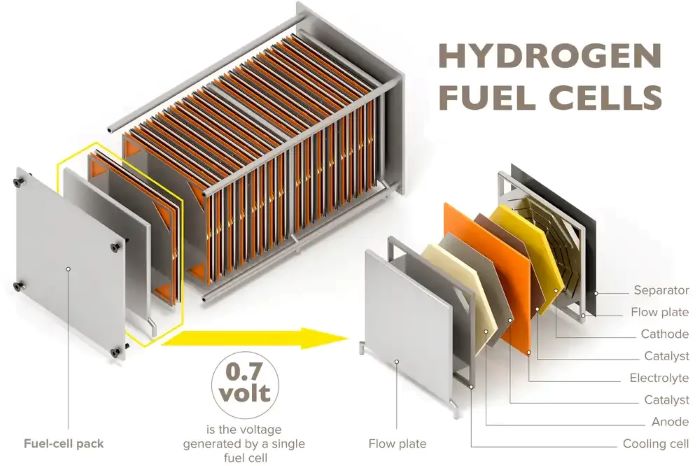
Hydrogen fuel cells represent a promising green technology with the potential to revolutionize eco-friendly energy systems. Key components such as bipolar plates and electrolyzers play crucial roles in converting hydrogen into electricity and ensuring efficient fuel cell operation. The choice and engineering of materials like titanium and stainless steel are vital for enhancing the efficiency and longevity of these fuel cells. This article explores the precision manufacturing processes necessary for these components, emphasizing the importance of selecting appropriate precision strip alloys to address the operational challenges faced by fuel cells.
Hydrogen is a versatile and clean fuel that, when used in a fuel cell, generates electricity with water as the only byproduct, offering significant potential to reduce greenhouse gas emissions. However, the environmental impact of hydrogen depends on its production method: grey hydrogen is produced using fossil fuels, blue hydrogen includes carbon capture, and green hydrogen is produced via electrolyzers using electricity from clean sources like wind, solar, or nuclear energy. Electrolyzers, which convert water into hydrogen and oxygen using electricity, are crucial for producing green hydrogen. For optimal performance, fuel cells and electrolyzers require precise materials, particularly thin stamped metal alloys for bipolar plates in PEM (proton exchange membrane) cells. Bipolar plates facilitate efficient gas distribution, ensure electrical connectivity, manage heat dissipation, and prevent cross-contamination between cells, making them essential for the functionality and efficiency of fuel cells and electrolyzers.
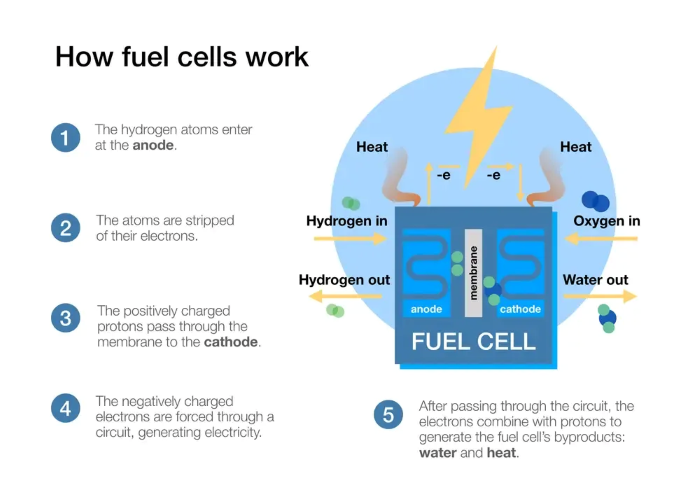
Bipolar plates and electrolyzers are integral to the functionality of hydrogen fuel cells. These components are essential for the efficient operation of fuel cells, which are poised to become a cornerstone of future green technology. The precision manufacturing of these components involves a deep understanding of materials science and engineering, particularly in selecting and processing metals to meet the stringent requirements of fuel cell applications. Stainless steel, nickel, and titanium are favored for their excellent properties, including corrosion resistance, electrical and thermal conductivity, and mechanical strength.
Advanced manufacturing techniques are crucial for producing high-performance bipolar plates and electrolyzers. Automated gauge control systems in rolling mills are essential for creating light-gauge materials with high precision, while surface finish quality directly impacts contact resistance and, consequently, fuel cell efficiency. Maintaining consistent surface quality is critical, as any imperfections can significantly affect performance. Fuel cell manufacturers are advised to partner with suppliers who can provide a diverse range of alloys and custom finishes to meet specific application needs, ensuring the materials' robustness and efficiency in various operational environments. Companies like Ulbrich collaborate closely with melt mills and service centers to supply tailored materials that enhance the effectiveness of hydrogen fuel cells.
Engineers face significant challenges in developing fuel cell technologies due to the harsh internal conditions, such as acidic environments and temperatures exceeding 200°F, necessitating the use of corrosion-resistant alloys. Thermal cycling, oxidative conditions, and electrolyte contamination further complicate the durability and performance of critical components like bipolar plates. Success in overcoming these challenges often hinges on collaboration between component engineers and metal suppliers. By leveraging comprehensive materials science knowledge and precision manufacturing expertise, these partnerships foster innovation and the development of custom alloy properties tailored to specific efficiency goals. Meticulously engineered materials for components such as bipolar plates and electrolyzers enhance fuel cell durability, efficiency, and performance, facilitating the broader adoption of clean energy solutions.
Criteria for Selecting Alloys for Bipolar Plates
• Mechanical Strength: It’s crucial that the bipolar plates can endure the stress and pressure within the fuel cell stack without deforming. This ensures the cell’s internal architecture retains its integrity for uniform performance.
• Conductivity: High electrical and thermal conductivity are essential for efficient electron and heat transfer within the cell. Materials with high conductivity help cut energy losses and improve the efficiency of the fuel cell.
• Low Magnetic Permeability: Ideally, materials should possess minimal magnetic permeability to prevent disruptions to the fuel cell’s electric and magnetic fields, which may otherwise impede the energy conversion process.
• Corrosion Resistance: Considering the often-acidic conditions within fuel cells, materials must be highly corrosion-resistant to secure a longer service life and consistent output.
Utilizing extremely thin bipolar plates is crucial for optimal fuel cell efficiency, as it allows for a more compact cell design, maximizing the area for electrochemical reactions and enhancing power density within a smaller volume. Achieving this requires advanced precision engineering techniques to ensure tight tolerances in thickness and uniformity, which are essential for consistent performance across the fuel cell stack.

Over the last 100 years, Ulbrich has consistently maintained a superior level of industry expertise to go along with its careful and comprehensive engineering process. This attention to detail ensures our ability to produce a customized product, allowing our customers to minimize cable manufacturer yield losses and voltage standing wave ratio (VSWR) spikes in high-performance coaxial cable products.
