

T oday, more than one-third of the manufacturing workforce is female. Women's roles range from working on the line to owning manufacturing businesses. Still, as a segment of the population as a whole, women are underrepresented in this industry.
They make up 48 percent of the workforce, but according to figures from 2016, they comprised only 29 percent of employees in the manufacturing industry.
New data on women-owned manufacturers
However, women-owned manufacturing companies in the U.S. are on the rise, both in number and in size. According to statistics gathered by IndustryNet, 7 percent of the 8,137 women-owned manufacturers reported increases in employment in 2017.
Contrast that with a 3.8 percent increase from 366,337 manufacturers with other ownership. Similarly, the growth of sales in women-owned manufacturing businesses was 4 percent, but only 1.2 percent at the businesses of their male counterparts.
The clear indications of success by women-owned manufacturing firms begs the question as to why there are still so few of them, comparatively speaking. For every 50 male-led manufacturers, there is only one led by a female.
Historically, the road to female proprietorship has been steep. For many years, women's roles were defined by society in terms of domesticity. Laws based on this tradition limited access to both property and credit.
Related: Leading women-owned manufacturers in the U.S.
Moving forward
Improvements in technology offer opportunities for these numbers to increase. Modern manufacturing techniques depend more on specialized skills than on physical strength that in previous eras might have given an advantage to men.
Since more than half of all associate, bachelor's and master's degrees are now earned by women, an education in science, technology, engineering or mathematics, can provide a path for them both into manufacturing jobs and manufacturing ownership.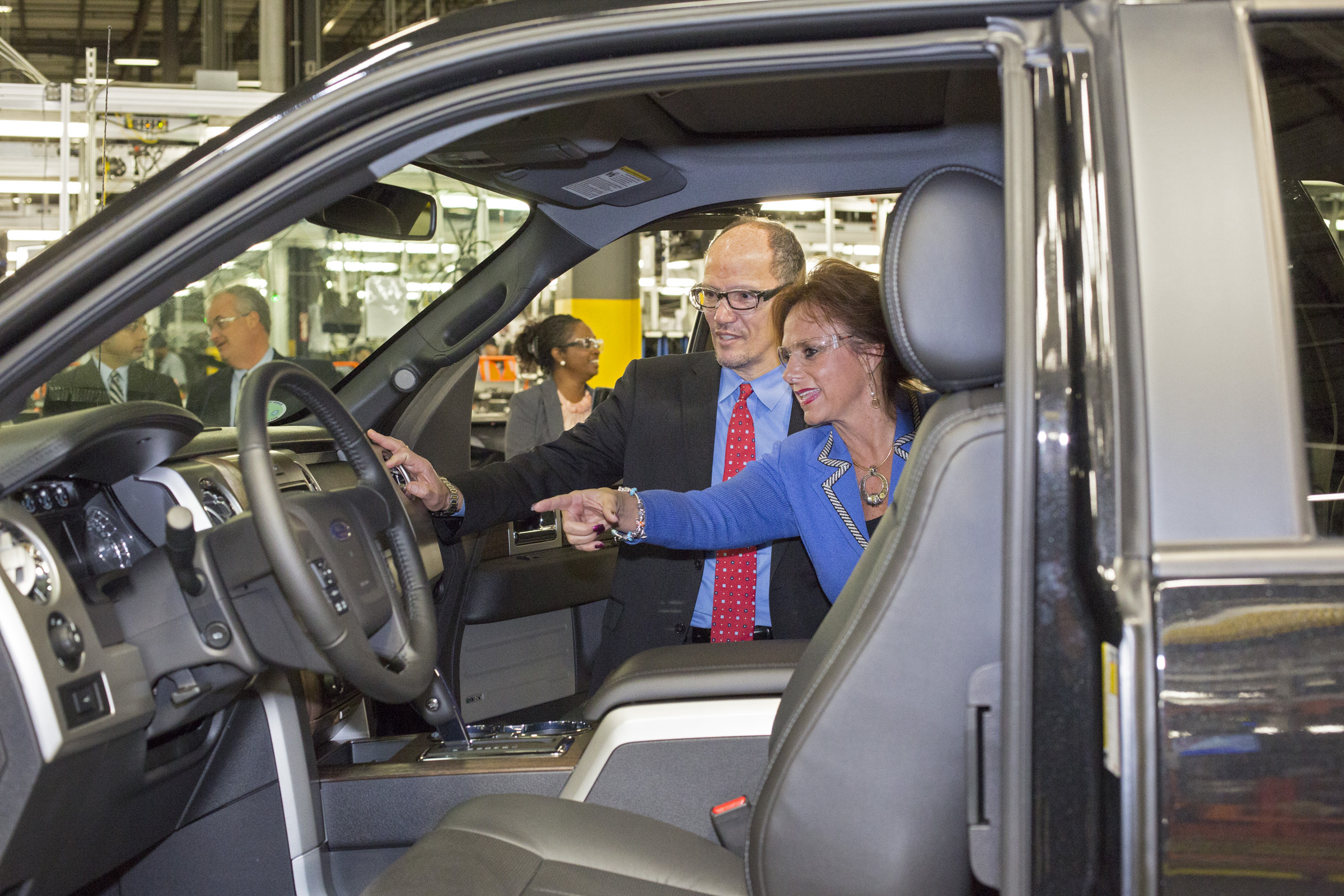
While engineering education is particularly pertinent to manufacturing, there are few young American women pursuing graduate programs in this field. In general, women are in the minority in engineering programs, a problem attributed to a cultural perception that engineering is not a feminine career choice.
One encouraging exception is the Polymer Engineering Ph.D. program at the University of Akron in Ohio, in which the number of female students is an estimated 25 percent.
Women promote business success
Manufacturers have much to gain from employing women. When employees believe a business is committed to inclusion, they report better performance in terms of innovation. Also, an increase in female leadership has been shown to lead to a rise in profitability. Investors seeking a high return on investment (ROI) would be well-advised to turn to women-led and women-owned firms.
A study of the 1,652 stocks in the MSCI World Index found that companies with strong female leadership achieved returns of 10.1 percent, versus only 7.4 percent for other organizations. Female-led companies also show a superior price-to-book ratio: 1.8 versus 1.6 when compared to those led by men.
Employers seeking stability in their workforce should look to women. Degreed and certified employees, once attracted, tend to stay with a company. With women earning the preponderance of degrees, recruiting them early will pay off in the decreasing of turnover and training costs.
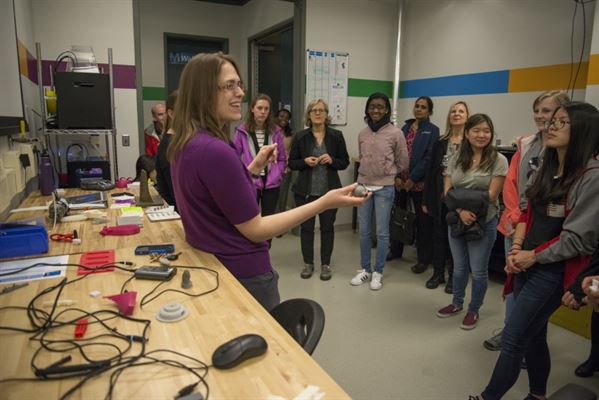 Women are increasingly joining together in organizations to improve their participation in business. The 700 members of Women in Manufacturing™ dedicate themselves to encouraging and inspiring women who are seeking careers in manufacturing. They offer mentorship programs, webinars and other materials to support women seeking to advance their manufacturing careers.
The future for women in manufacturing looks bright. Courtney Folk, president of Textile Restorations, put it this way: "Women are increasingly feeling that their work is valued more based on its quality and contribution than things like office politics. That's leading to a whole new level of confidence in the workplace."
Female leadership is rising, and it is lifting U.S. manufacturing with it.
