

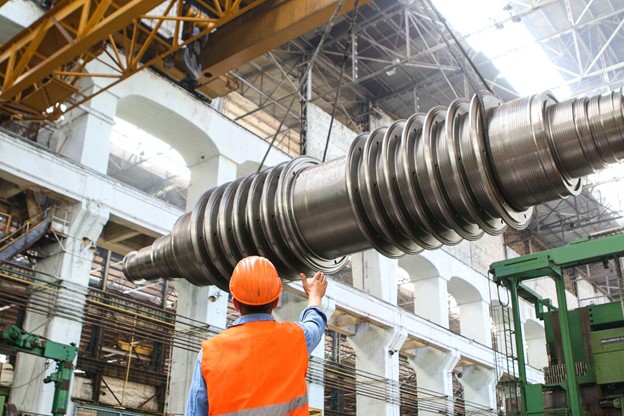
According to the National Safety Council, a workplace injury occurs roughly every seven seconds. That equates to some 7 million workplace injuries each year. To add to this, the manufacturing sector has a reputation for being a particularly dangerous industry, with the frequent use of heavy machinery and power tools creating the potential for damage if not utilized correctly.
The good news is that with the proper precautions, the risks of working in the manufacturing industry can be significantly reduced. The following breakdown provides some tips and advice on how to improve staff wellbeing and keep your manufacturing workers safe.
Enforce the Use of Required Safety Gear
The importance of personal protective equipment (PPE) is widely spoken of in manuals, handbooks, and safety blogs, yet lax PPE use runs rampant, with 89% of workers answering affirmatively when asked if they have seen workers failing to wear proper PPE for a given task.
Workers cite myriad reasons for failing to don the correct PPE, from discomfort to decreased dexterity, no availability to inadequate training. Therefore, as a manager of a manufacturing plant, it is incumbent upon you to make sure that workers have access to the proper PPE (hard hats, safety glasses, earplugs, steel-toe boots, etc.) and that they know how to use it. But even more than that, you have to enforce your PPE policy, inducing fines and workplace suspensions, if necessary.
Familiarize Them With the Company Fire Policy
Most people have been doing fire drills since elementary school and know that emergency fire protocol is an important part of any organization, but it is highly likely that a significant portion of your workforce has no idea on how to proceed in the event of a fire. This is significant because as a manufacturer, your crew will likely be dealing with materials, machinery, and electrical components that are at a heightened risk of combustion.
Therefore, it is important that all workers be trained on appropriate fire procedures. Help them identify potential risks that could increase the chances of a fire and how to mitigate them. Familiarize them with the location of fire extinguishers, sprinklers, and other active fire prevention features. In addition, invest in a passive fire protection system that includes some smoke baffles and fire screens to further enhance their safety.
Provide Them With Adequate Safety Training
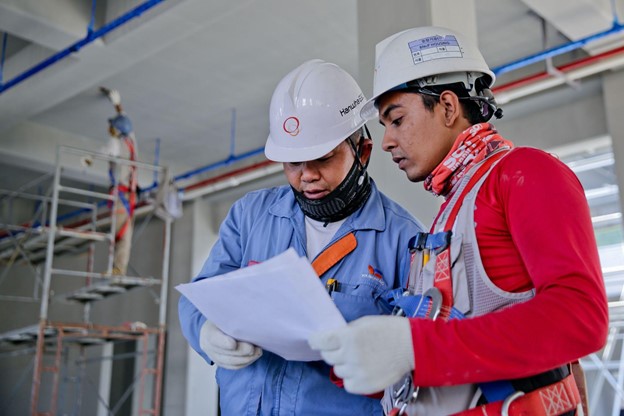
In addition to fire procedure training, it is critical that workers be given general safety training on a regular basis. Workers should know all of the ins and outs of safety as they pertain to their position and the machines and equipment they will be using.
Relating to this, workers should also be trained on how to perform a risk assessment. They should have a keen eye for identifying anything that could go wrong for them or the workers around them. They should be able to immediately spot any potential hazards and know how to work without being reckless or taking unnecessary risks.
Maintain a Clean Work Environment
A clean work environment is a safe work environment. From tripping over obstructions to slipping on untended spills, an untidy workplace provides a fast track to worker injury. In addition, clutter is proven to increase feelings of stress and anxiety, so having a clean, inviting plant can have a positive impact on mental health. Finally, as the COVID-19 pandemic taught us, air quality is an essential component of workplace cleanliness, so install some commercial dampers and air scrubbers to ensure the quality of the air your workers breathe.
Make Sure That All Safety Features Are Properly Installed
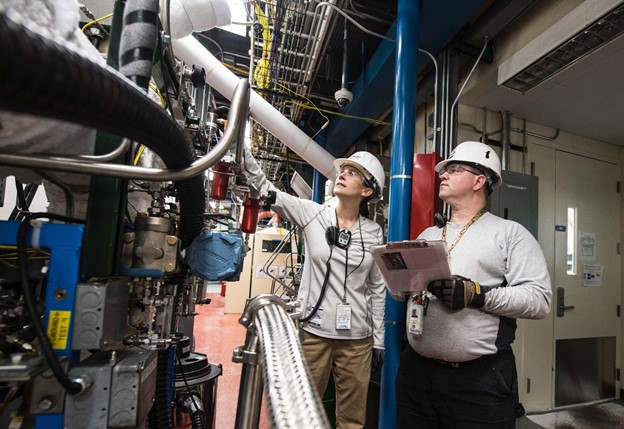
Good manufacturing practices in the food industry, pharmaceuticals, cosmetics, car parts, etc. will not only ensure that goods are produced consistently up to quality standards, but they will also establish safeguards to prevent worker injuries.
When a manufacturing facility is designed with worker safety in mind, it will have machine features that protect employees in the event of worker error. For example, sheet and plate forming machines and plasma cutting equipment should have guards that protect workers’ fingers. If the guards are not installed correctly, workers will be at risk of losing a finger.
In addition, the area around workstations should be protected with rails and barriers, allowing only trained workers to enter the area. Without these features, workers without the correct training may enter the work area at great personal risk, especially if they are not wearing the required PPE.The Best Advice for Keeping Manufacturing Workers SafeEstimates reveal that there are approximately 7 million workplace injuries each year, with manufacturing being a sector with the potential to be particularly dangerous. However, by enforcing PPE use, familiarizing employees with the company fire policy, providing adequate training, maintaining a clean work environment, and ensuring that all safety features are properly deployed, plant managers can greatly reduce any risk associated with manufacturing and keep all workers safe.
Max Shafer is a contributor to the Innovative Building Materials blog. He is a content writer for the construction and home improvement industries with an interest in landscaping, outdoor remodeling, and interior design. Max is focused on educating homeowners, contractors, and architects on innovative materials and methods of construction that increase property value, improve sustainability, and create a warm and welcoming ambiance.
