

Industrial News·Tuesday, January 30, 2018
19 steel fabrication companies leading U.S. growth
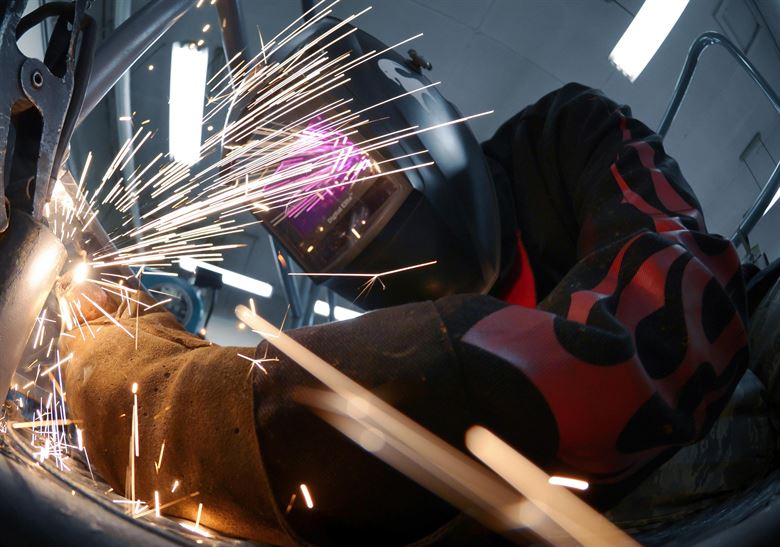
New data from IndustryNet paints an optimistic picture of American steel fabrication companies. Throughout the U.S., the pace of manufacturing productivity remains steady as the economy keeps expanding. America's top steel fabrication companies depict how amenable the global economy is to U.S. manufacturers. Overview Accelerating sales growth has become the hallmark of the American steel fabrication industry. Currently, average sales for the entire steel fabrication industry in the U.S. exceeds $34.7 billion while last year average sales totaled less than $29.7 billion. Sales growth has climbed 17.24 percent, which far outpaces the U.S. manufacturing industry in general. The top 10 steel fabrication companies reflect how efficient and productive the industry has been since last year. Top 10 American steel fabrication companies According to IndustryNet's data, the top 10 American steel fabrication companies, as sorted by the number of employees, are: 1. AK Steel Corp. 2. AK Steel Corporation 3. North American Stainless 4. MacAljon/SCL, Inc. 5. The Haskell Company 6. High Steel Structures, LLC 7. SFI Of Tennessee, LLC 8. Paul Mueller Co. 9. Oklahoma Steel & Wire Co., Inc. 10. Monroe Truck Equipment, Inc. A closer look at each company adds context to IndustryNet's figures. AK Steel Corp. AK Steel Corp., specializing in blast furnaces and steel mills, actually has two facilities in the same city. Location: Dearborn, Michigan. Employees: 1,900. AK Steel Corporation AK Steel Corporation handles metal fabrication. Location: Dearborn, Michigan. Employees: 1,500. North American Stainless Blast furnaces and steel mills are the main products of North American Stainless. Location: Ghent, Kentucky. Employees: 1,375. MacAljon/SCL, Inc. Similarly, MacAljon/SCL, Inc. primarily operates with blast furnaces and steel mills.
State News·Monday, January 29, 2018
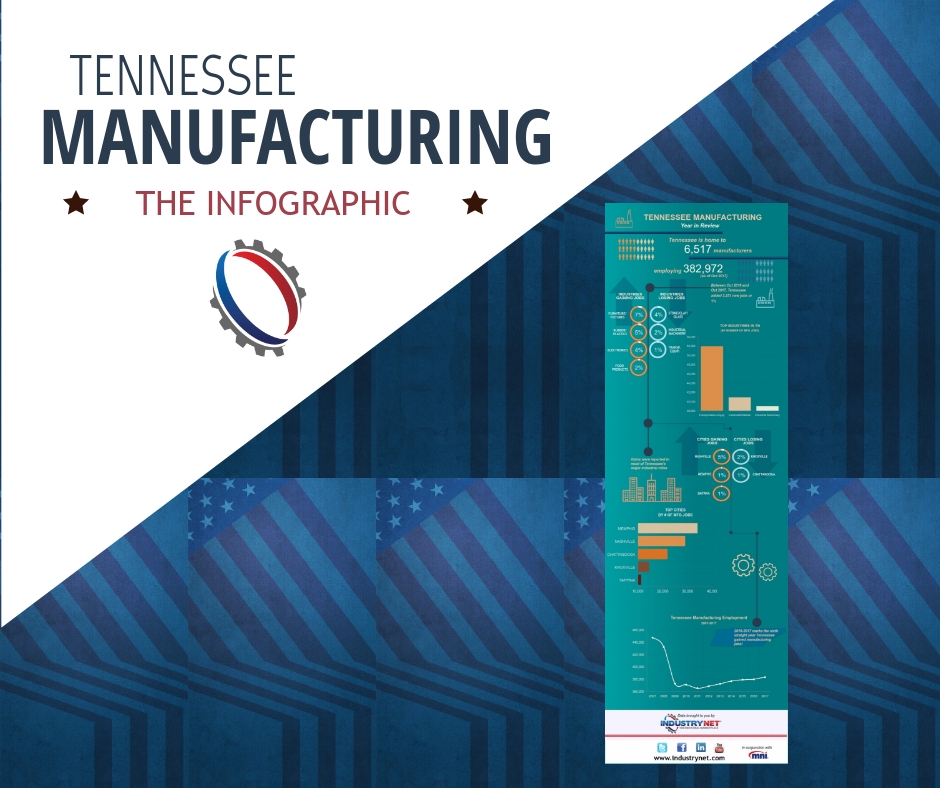
Tennessee manufacturing: the year in review (Infographic)
Tennessee's 6,517 manufacturers added jobs for a sixth straight year, according to new data collected by IndustryNet. But where, exactly did employment strengthen? Our latest infographic provides a snapshot of Tennessee's industrial sector, including growing industries and regions -- plus a 10-year growth chart you won't want to miss.

State News·Friday, January 26, 2018
Tennessee manufacturing job growth accelerates
According to IndustryNet's survey of 6,517 Tennessee manufacturers, factory employment in the Volunteer state inched up over the past year, with more than 3,000 new jobs created between October 2016 and October 2017. This represents a one percent increase in the state's industrial workforce, and stands as the sixth straight year Tennessee has added industrial jobs. Yet, for the first time in several years, job gains were not led by the auto industry, as declining sales in 2017 put a damper on production. A thriving transportation equipment industry is what led Tennessee's remarkable turnaround in the years following the recession, with employment in that sector growing by 32% between 2011 and 2016, according to IndustryNet data. The past year, however, found the industry at a standstill, with jobs edging down 1.2%. Weakness in the state's transportation sector was offset by steady gains across multiple sectors over the past year, suggesting Tennessee's industrial economy continues to strengthen across the board. This article will explore exactly what is going on with the auto industry, and examine some of the main developments in Tennessee's industrial sector in the post-recession era. We'll examine IndustryNet's extensive regional and historical data for the state, and delve into some of the specific site selection factors that continue to make Tennessee a great place for manufacturing.

Industrial News·Thursday, January 25, 2018
The latest trends in steel fabrication
Steel and stainless steel fabricators are at the heart of U.S. manufacturing, supplying major infrastructure and construction projects and serving countless industries, from aeronautics to automotive to defense. According to IndustryNet's analysis of the more than 2,000 U.S. steel fabricators in its database, the industry is experiencing rapid growth at the moment, with certain regions of the U.S. growing faster than others. This particular report will zero in on the steel and stainless steel fabrication market, examining the latest trends in sales and job growth, as well as regional differences and distribution trends. Sales, jobs in steel fabrication trend up According to data collected by IndustryNet, there are currently 2,270 steel fabricators with 49,858 employees currently in operation in the U.S. This figure is slightly higher than last year's 49,668 employees. Average sales came in at $34 billion, up considerably from last year's $29 billion. The number of steel fabricators reporting sales growth is twice the national average of the manufacturing industry. Two percent of steel fabricators are growing, while only 1 percent of manufacturers as a whole reported growth.
Resources·Wednesday, January 24, 2018
Complete guide to sourcing a metal fabrication company
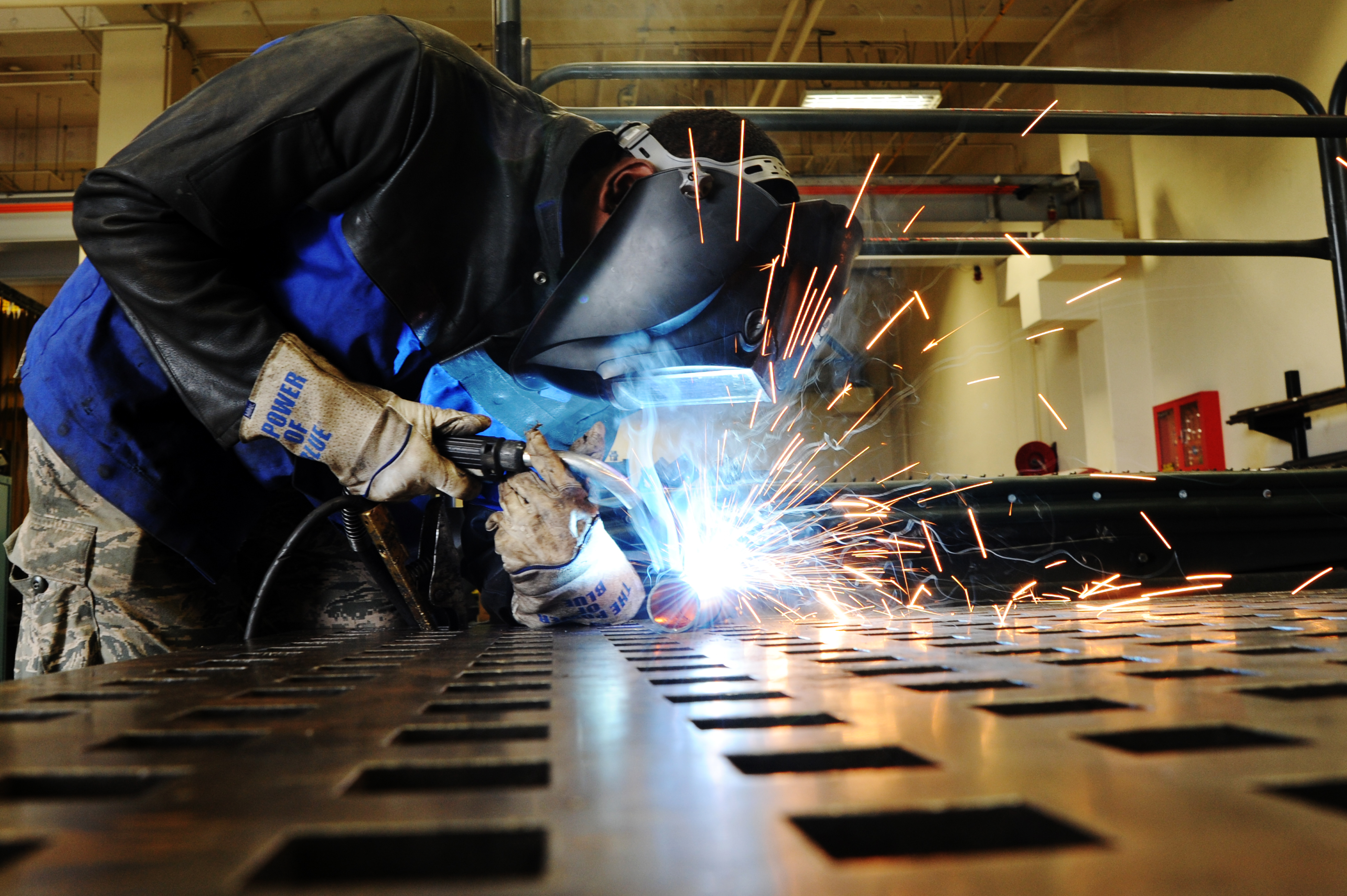
Metal fabrication is a significant contributor to the industrial economy in the United States. The nation's 7,110 metal fabrication companies are in great demand. Data gathered by IndustryNet shows sales in the industry have surged 8% in the past twelve months, while employment has grown 1.7%, These companies generated over $71 billion in revenue in 2017, and currently employ 147,504 in the U.S. The distribution, sales, and workforce data vary by location and industry segment. This article will explore those differences and the criteria by which businesses may make an informed selection of a metal fabrication company. Companies that illustrate different aspects of this industry and the services they offer to customers, will be highlighted. Choosing a metal fabrication provider The first thing a business must consider in selecting a fabricator is the capabilities of the shop. Not all manufacturers work with the same materials. If, for example, products will be constructed of aluminum, a company that specializes in steel may not be a good fit. Even with the correct choice of metal, a provider must be able to accommodate the dimensions specified in drawings or computer-aided design files. A shop must also offer needed services such as cutting, often by computer numerical control, bending, blasting, powder coating, and painting. Projects may require assembly by welding, bonding with adhesives, riveting, or with threaded fasteners. Both automation and human labor may be necessary for a project. A fabricator should be able to provide whatever is required.A customer who needs a prototype should enlist a firm with the ability to design and create one. Prototyping may involve the use of CNC or 3-D printing. If installation or on-site assembly services are necessary, particularly for large projects, it is essential to choose a vendor who can provide them
State News·Thursday, January 18, 2018
Ohio manufacturing job growth picks up speed
According to new data collected by IndustryNet, manufacturing employment in Ohio edged up over the past year, with steady gains posted across a number of sectors. IndustryNet reports the state added 5,217 jobs between September 2016 and September 2017, amounting to a half percent gain. This represents the sixth straight year Ohio has gained manufacturing jobs, as the state continues to recover from the severe losses suffered during the recession. Once at the center of rust-belt manufacturing losses Ohio's six-year winning streak echoes similar progress made by states like Indiana and Michigan, and stands in contrast to neighboring states that continue to bleed jobs like Pennsylvania and New York. This article will take a closer look at the major developments that have occurred in Ohio since the recession, and examine the state's outlook in light of new federal and state policies. We'll explore IndustryNet's extensive regional and historical data for the state, and delve into some of the specific site selection factors that continue to make Ohio a great place for manufacturing. Ohio manufacturing: the year in review: Industrial companies in Ohio added more than 5,000 jobs between September 2016 and September 2017, a half percent gain. In contrast to previous years in which growth was attributed almost exclusively to the auto industry, gains over the past year were seen in a spectrum of industries, indicating Ohio's manufacturing growth is strengthening across the board.

Industrial Marketing·Wednesday, January 17, 2018
Does your website attract quality hits?
While a high number of website hits looks nice on paper, numbers do not necessarily lead to sales. In fact, many visits to a website may simply be bots, which have zero intention of purchasing the company's product or services. As companies work to drive traffic to their website, the focus should be on quality over quantity. Bot traffic has skyrocketed in recent years. Research from Distil Networks found that nearly 60 percent of web traffic in 2014 was automated code. Out of those bots, 23 percent were targeting websites maliciously. Such bots are designed to perform illegal actions such as skimming credit card numbers or copying portions of blogs for use elsewhere. Other bot visitors are helpful. Google bots, for instance, crawl websites in order to index them so they can be searched by internet users. Facebook bots reduce long articles to an image and a snipped so they can be easily shared on the social media network. Regardless of the purpose of the bot, their traffic to a website does not constitute quality traffic. Any evaluation of analytics based solely on quantity fails to account for these bots. This lack of consideration results in over-inflation of the numbers, leading a company to believe it is performing better than it actually is.

Resources·Wednesday, January 10, 2018
What to look for in a contract manufacturer
Businesses can gain many advantages by using a contract manufacturer. They can choose a company that is highly skilled and quality certified for fabrication or formulation. Contracting firms avoid risky capital investments in new equipment and can pass on the costs of hiring and training additional personnel to their production partners. One downside of employing a contractor is the increased shipping costs that stem from the use of a distant source. The extensive time and travel required to inspect facilities and monitor quality can also become drawbacks. Businesses must also carefully scrutinize their providers to maintain the security of their intellectual property. The following companies in six different industrial sectors illustrate how contract manufacturers can minimize costs and address quality, logistical and security concerns for their clients. Electronics Located in a suburb of Chicago, a global transportation hub, Andrew Technologies Inc. of Wheeling, Illinois, is ideally positioned to reduce both shipping and travel costs for their clients. Certifications in both ISO:2008 and ISO: 13485:2003 reflect the excellence of their quality management system for the manufacturing of circuit boards and circuit board assemblies. As a member of the Association Connecting Electronics Industries (IPC), it trains and certifies its staff to IPC standards. As a supplier to aerospace, the nuclear industry, and the military, lives depend of the quality of products fabricated by Scott ElectroKrafts Inc. It holds certifications in AS 9100 Revision C and ISO 9001:2008. It maintains IPC-certified trainers on staff and to ensure the safety of their products, is RoHS compliant. Located in Andover, Connecticut, connected to New York City by Route I-95, Scott is well positioned to take advantage of the transportation opportunities available in the New York-Newark a

Industrial News·Tuesday, January 9, 2018
Top contract manufacturers in the U.S.
According to recent data collected by IndustryNet, contract manufacturing is growing at more than twice the rate of manufacturing as a whole, reporting a 9 percent increase in employment, compared to an overall industry growth rate of only 4 percent. Sales growth follows this trend, with the nation's contract manufacturers reporting three times the growth rate of manufacturing. Contract manufacturing boasts a sales growth rate of 3 percent compared to the industry rate of only 1 percent. This article will break down some of those statistics, and look at some of the nation's top contract manufacturers, broken down by employment, job growth and square footage. Regionally, the Midwest portion of the U.S. (Illinois, Indiana, Michigan, Ohio, Wisconsin, Iowa, Kansas, Minnesota, Missouri, Nebraska, North Dakota and South Dakota) is the place to be if you are a contract manufacturer. This region contains 217 contract manufacturers, or 30 percent of the nation's total contract manufacturing population. It also boasts the strongest employment growth rate at 25 percent. In terms of company location, the Pacific region (Alaska, California, Hawaii, Oregon and Washington) takes second place with 116 contract manufacturers, representing 16 percent of the nation's total. It is followed closely by the Mid-Atlantic area (New Jersey, New York and Pennsylvania) housing 103 contract manufacturers, or 14 percent. The South Atlantic section (Delaware, Florida, Georgia, Maryland, the District of Columbia, North Carolina, South Carolina, Virginia and West Virginia) takes fourth place with 89 contract manufacturers, which is 12 percent of the U.S.' total contract manufacturers. Three of the four remaining regions contain a similar number of manufacturers. The New England region (Connecticut, Maine, Massachusetts, New Hampshire, Rhode Island and Vermont) has 71 contract manufa

Industrial News·Monday, January 8, 2018
Latest trends in contract manufacturing
Companies in industries from electronics to pharmaceuticals choose contract manufacturers to produce their wares. Contract manufacturing allows businesses to increase their production capacity without capital investment or hiring additional staff. According to IndustryNet's hand-verified data, contract manufacturing has seen an uptick in growth over the past year. This article will examine how and why contract manufacturing shows more substantial growth than U.S. manufacturing as a whole. It will also detail variations by industry sectors and geographic regions. Average sales in contract manufacturing increased by 2.26 percent. The plastics segment was the leader in sales growth, at 15.28 percent. Pharmaceuticals and medical products saw no changes from the previous year, but sales in electronics rose 0.86 percent and manufacturing and packaging 2.84 percent. From 730 contract manufacturing companies with a total 48,104 employees, the number of jobs is up 3.32 percent. In employment growth, pharmaceuticals led the pack at 7.16 percent, followed closely by plastics at 6.94 percent. Hiring increases in electronics were 1.90 percent. Jobs in manufacturing and packaging increased 2.04 percent, and medical sector positions 2.20 percent. In explaining the discrepancy between the rise in employment in the medical and pharmaceutical industries, versus the lack of growth in sales, it is essential to understand the challenges unique to these sectors. For companies serving these industries, quality control is indeed a matter of life and death and is often labor-intensive. Superior, well-trained and educated personnel is required to meet safety and regulatory demands. Choosing manufacturers in the United States in preference to those overseas presents distinct advantages in maintaining the highest product standards.

Industrial Marketing·Friday, January 5, 2018
Why you should rethink banner advertising in 2018
So you think that your company would sell more left-handed widgets if it created a catchy banner ad? You might want to re-think that position. According to recent research, approximately 26 percent of Americans already use some form of ad-blocking software. This software usage resulted in a loss of around $15.8 billion in ad revenue last year alone. Still not convinced that you should rethink your banner-ad concept? Consider this - Google Chrome plans to launch its own integrated ad-blocking software with its upcoming release. And since estimates range from as low as 66 percent to as high as 90 percent of all internet users turning to Google as their primary search engine, you really should rethink the impact that banner ad blocking could have on your marketing efforts. Google's newly integrated software will automatically block ads that do not meet the coalition's minimum threshold, including banner ads. Perhaps you are counting on the fact that mobile searches have overtaken desktop searches, and your banner ad will be mobile friendly. Think again. While it is true that mobile searches are on the uptick while desktop searches have basically flat-lined over the past few years, Google plans to introduce its ad-blocking software on Android as well. Instead of throwing your marketing dollars away on banner ads, consider turning to a company that specializes in working with and for the manufacturing industry for assistance.

Industrial News·Wednesday, January 3, 2018
U.S. manufacturing activity picks up speed
Led by a surge in new orders, U.S. manufacturing activity expanded at a faster rate in December, according to new data released this morning by the Institute for Supply Management. The ISM survey of manufacturing executives shows U.S. industrial activity picked up speed, edging up 1.5% to a current reading of 59.7%. December marks the 16th consecutive month of growth in the manufacturing sector, and the 103rd month of growth for the U.S. economy overall. A surge in new December's growth, according to the ISM's key metrics, and was also boosted by an uptick in production, supplier deliveries, and exports. However, employment expanded at a slower rate, and customer inventories continue to shrink. Sixteen of the eighteen industries surveyed by the ISM reported growth, led by machinery; computer & electronic products; paper products; apparel, leather & allied products; printing & related support activities, and primary metals. Wood products and textile mills were the only two sectors to report a contraction. U.S. manufacturing has accelerated in recent months, despite the temporary setback triggered by 2017 hurricane season that weakened the ISM's reading for manufacturing activity in October. The most recent Department of Labor report shows the U.S. added 228,000 jobs in November, with the manufacturing sector accounting for 31,000 of those jobs. IndustryNet's December reports indicates significant employment growth in the U.S. packaging and conveyor industries, as well as a remarkable growth in manufacturing employment for the state of Utah.

Resources·Tuesday, January 2, 2018
What the tax reform bill means for U.S. manufacturing
On December 22nd, 2017 President Trump signed a monumental tax reform bill into law shortly after it passed both the Senate and House. The sweeping bill represents the largest tax overhaul in 30 years, hailed by the president as an "Incredible Christmas gift for hard-working Americans." We've heard a lot about how the tax bill will affect individuals and the breaks it affords to corporations, but what about hard-working American manufacturers? For the most part, it looks like the bill will have a positive impact both on corporations and on the 27 million small businesses currently active in the U.S. Manufacturing, especially, could stand to benefit, with lower costs for capital expenditures potentially spurring investment and increasing global competitiveness. The National Association of Manufacturers' recent Manufacturers Outlook Survey showed more than half of businesses responding felt tax reform would cause them to increase capital spending, hire more workers, and increase employee wages and benefits. Yet, another study shows only 14% of U.S CEOs planned to make significant capital investments due to tax reform. Either way, the recent tax reform bill will undoubtedly have a major impact on U.S. businesses, particularly those in the manufacturing sector. Here are some of the key pillars of the bill expected to influence U.S. manufacturing in the years ahead.

Resources·Wednesday, December 20, 2017
Where to find custom box and packaging suppliers for your unique product
An attractive box can entice a consumer to grab it enthusiastically from a store shelf. Even the finest products may be left behind if their look is too pedestrian. One-third of consumers make a decision based on packaging. A customer entranced by the appearance of their purchase can spark even more sales by posting pictures of it on social media. Materials, shapes, colors, and typography can be factors in customer appeal. Manufacturers may apply methods such as tinting, die cutting, and digital printing, to create a siren call to potential buyers. Boxes may also occupy or transform into displays that attract the attention of shoppers. Preventing damage during shipping can also be a vital component in the design of a box. Some companies add specially fabricated dividers and pads to safeguard fragile merchandise further. Prompt delivery times are often essential to successfully bringing a product to market. Some box suppliers maintain distribution systems to supply their business customers. Containers for export must be fabricated of specific materials to avoid international regulatory restrictions. The following are examples of companies that provide custom box and packaging services engineered to address their customers' unique needs. A Full Palette While offering a comprehensive line of boxes, displays, and services, Amerisource Companies of Carrollton, Texas is set apart by the colored containers they create. They pride themselves on providing any color box their customers request. Amerisource's clients include Ingersoll Rand, Sears, and Mary Kay. They fulfill the demands of businesses countrywide through an efficient online ordering system. In business since 1882, Lawrence Paper Company in Lawrence, Kan., has a unique approach to color. It has the capability to tint their liners during manufacturing. As a result, a box can

Industrial News·Tuesday, December 19, 2017
Top packaging and corrugated box companies in the U.S.
IndustryNet recently reported packaging and corrugated box companies in the U.S. are seeing rapid growth as multiple market influences, including e-commerce, subscription boxes, and the ever-growing popularity of convenience foods continue to stoke demand for numerous types of boxes and packaging services. Today, IndustryNet takes a look at some of the top box manufacturers in the U.S. that are helping to meet this demand. ReadyOne Industries is an exceptional company. They are proud to employ individuals with disabilities, including disabled veterans. At ReadyOne's packaging division in El Paso, Texas, they provide jobs for 1,300 workers. Their products include corrugated boxes, packaging and storage solutions. They offer both design and logistics services for El Paso and Northern Mexico. Southern Champion Tray LP offers packaging for everything, from doughnuts to delicatessen products. They are expert in showcasing their customers' freshly made offerings to hungry consumers. Southern Champion provides a wide selection of colors and types of materials to produce the most appetizing appearance for bakery, foodservice and catering items. The company employs 550 people in Chattanooga, Tennessee. Attention-grabbing boxes are designed and crafted in Pawtucket Rhode Island by International Packaging Corp. Their 500 employees use attractive shapes, colors and textures to package jewelry, specialty foods, apparel, stationery, coins, and health and beauty products. A lean manufacturing system allows them to fulfill the needs of their business customers quickly and efficiently.

Company Announcements/Insights·Monday, December 18, 2017
Bell Flavors & Fragrances announces natural alternatives to liquid smoke
Bell Flavors & Fragrances has announced new smokeless smoke flavors, a natural alternative to traditional liquid smoke with variations ranging from mesquite to cherrywood. These natural smoke type flavors will help elevate their respective individual flavor nuances that continue to grow in popularity. Bell's smokeless smoke type flavors are advantageous as they can provide ingredient label benefits, are easily customized, and can facilitate a reduction in traditional food smoking time while maintaining the delicious savory smoked flavor. Smokeless smoke variations such as smoke, applewood, cherrywood, pecan, hickory, and mesquite are being sought out as on-trend food flavors resulting from classic food preservation methods.
Industrial News·Monday, December 18, 2017
Box companies in the U.S. see sales, jobs trend up
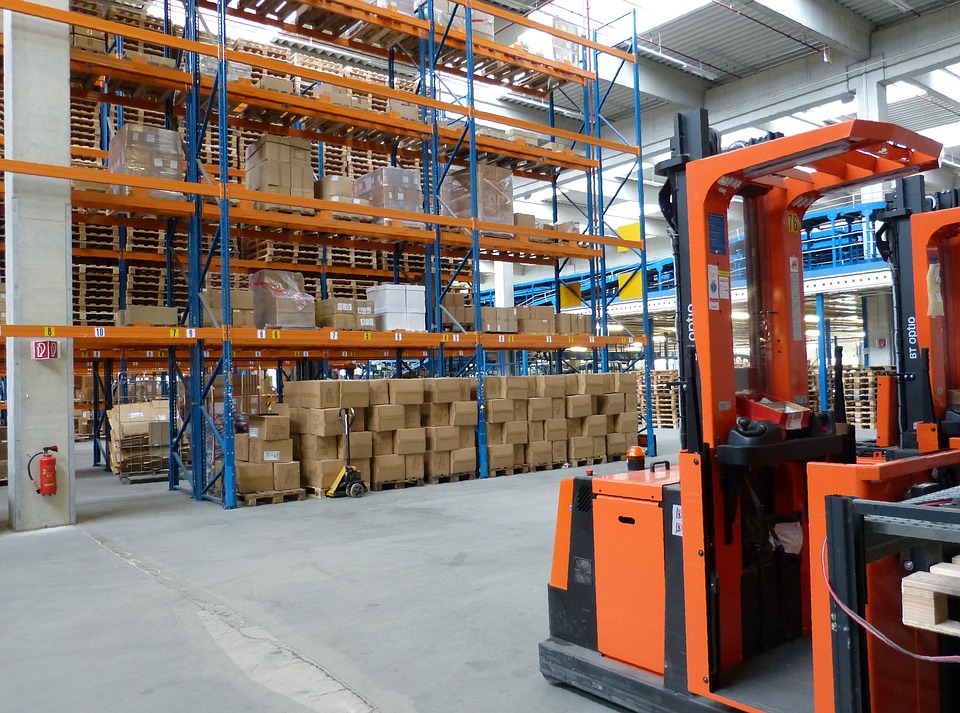
As IndustryNet reported in May 2017, the U.S. packaging industry is seeing rapid growth. Experts anticipated at the time that sales growth would remain strong through the year. Similarly, box companies in the U.S. reported growth across all regions. Rigid box makers stood out in the industry. Packaging manufacturers on the whole saw an increase in sales (.24 percent) to nearly $57.2 billion. Nationally, five percent of companies reported employment increases, slightly higher than four percent for U.S. manufacturing overall. The Wall Street Journal reported the Institute for Supply Management manufacturing index fell in November, yet it remains "solidly in growth mode." In fact, recent economic data reveals, the U.S. "has an important manufacturing base, which represents roughly 15 percent of output." About 40 percent of the foreign direct investment is from the U.S. manufacturing sector. Sale increases in subsectors can be attributed to a number of trends. The rigid container market, for example, has benefited from the rise in the demand for convenience foods domestically as well as internationally. Sales were up 12.75 percent, significantly more than any other market. Wooden box manufacturing was second with a 4.16 percent rise in sales. The forecast remains good for rigid container manufacturers as lifestyles change, one-person households remain on the rise and disposable incomes allow for the purchase of popular packaged convenience foods. The corrugated box market, up .23 percent in sales this year to $55,260,049,984, is an increase after remaining relatively flat for the last 15 years. Experts attribute this growth to e-commerce and the new consumer behavior of being able to place orders from mobile phones.

State News·Thursday, December 14, 2017
Utah manufacturing companies continue to expand
Manufacturing companies in Utah continue to expand, according to new data collected by IndustryNet, adding nearly 2,400 jobs in the past year alone. Altogether, Utah has gained more than 25,000 industrial jobs since September of 2010, and now accounts for more jobs than it had during the recession -- a milestone few states have achieved. Echoing similar progress recorded in other Western states like Colorado and Arizona, Utah's pro-business environment combined with a skilled workforce and a focus on technology and innovation has galvanized the state's industrial sector, helping to create jobs for a seventh straight year. This article will examine how manufacturing in Utah has evolved over the years, delving into city, county, regional, and historical data collected by IndustryNet. We'll also examine some of the challenges faced by the state's manufacturers, and explore Utah's industrial outlook. The year in review Manufacturing employment in Utah climbed 1.4% between September 2016 and September 2017, a gain of 2,436 jobs. The state's chemical processing industry was the star of this year's survey, posting a 2.5% increase in employment. The chemical industry ranks as the state's third-largest sector by industrial employment, with 17,504 workers. Numerous other industries in Utah added jobs, led by textiles/apparel; furniture/fixtures; instruments/related products; and industrial machinery. Looking at regional differences, industrial employment in Northern Utah rose 1.5%, and climbed 2% in Southern Utah. These gains were offset by a 1.7% loss in Central Utah. Notable Utah cities gaining jobs included South Jordan, Draper, and Orem. Ogden saw an increase of 1.3%, while employment levels remained steady in Salt Lake City.

Company Announcements/Insights·Wednesday, December 13, 2017
Flavorcon Expo & Conference 2017 wraps with record attendance
CAROL STREAM, Ill. Perfumer and Flavorist is excited to announce that Flavorcon 2017: Where Delicious Innovation Begins set new attendance records, bringing in more than 550 flavor, food and beverage professionals, including the top consumer packaged goods companies. Held at the Hyatt Regency O'Hare in Rosemont, Illinois, Flavorcon 2017 hosted a bustling exhibit hall with more than 40 leading flavor, ingredient, equipment and service suppliers presenting the latest in flavor innovation. The event offered numerous networking opportunities and a multi-track conference that included educational sessions on cutting edge topics such as flavoring for cannabis edibles, flavors with modifying properties, beverage trends, blockchain technology and more. Sessions were led by professionals from companies such as McDonalds, Dr. Pepper Snapple Group, IBM, Robertet Groupe, Excellentia, Berje, ADM and Kerry. Flavorcon's program was created under the direction of an advisory board of professionals from some of the industry?s leading organizations: -Ariane Girard-Jouette, fruits and flavors engineer, Danone; -Mauricio Graber, president, flavor division, Givaudan; -Tracy Jaico, food scientist, Mondelez; -Segolene LeClercq, product developer, General Mills; -Tony Moore, chief flavorist, Flavor Producers; -Robert Weinstein, president, ingredients, Robertet; -Marie Wright, VP and chief flavorist, ADM/Wild; -Deniz Ataman, managing editor, Perfumer & Flavorist magazine; conference director, Flavorcon 2017.

Resources·Friday, December 8, 2017
Insider tips for choosing the right type of conveyor system
With a growing number of conveyor systems available to handle various materials, you will want to explore which conveyor meets the needs of your business and the products you are producing. With the proper conveyor, your company will have a seamless system that is not only efficient but also protects your products. To select the right conveyor, consider which type best meets your needs. Here are common conveyor characteristics to look for based on conveyor specific criteria. The most common conveyor types There are multiple types of conveyors, with some more common than others. -Manual Monorail Conveyors: These will quickly move light loads throughout a facility. They are simple to maintain and save money. -Floor Conveyors: These are ideal for processing centers or assembly lines. Materials move underneath machinery such as manufacturing, so the mechanism can quickly access the supplies. -Power or Free Conveyors: They are highly flexible with multiple tracks. The most common belt types In addition to the material handling system itself, there are multiple types of belts, each of which works best in a particular situation:

Industrial News·Tuesday, December 5, 2017
Spotlight on U.S. conveyor manufacturers
Data gathered by IndustryNet highlights the importance of the conveyor industry in the United States. While sales in all manufacturing increased by 0.07 percent over the past year, they have grown by 0.32%, more than four times as much, for conveyors. Job growth was also strong over the past year, with employment climbing 3.4% to 16,886 workers. From checked luggage transferred from planes to an airport carousel, to lollipops safely delivered into their cellophane sheaths, conveyors keep things moving. While the industry as a whole is doing well, some sectors are indicating more success than others. IndustryNet has gathered information on growth by specific segments of the conveyor industry as well as the concentration of conveyor manufacturers by geographic area. Regional Data The most extensive cluster of conveyor companies, at 43 percent, is in the Midwestern area, bounded on the east by Ohio and Michigan, on the west by Nebraska and South Dakota, on the north by Minnesota, Wisconsin, and North Dakota, and on the south by Kansas and Missouri. The smallest number of conveyor firms, three percent, can be found in the New England States. Conveyor producers are almost as sparse, at five percent, in the mountain region, stretching from Arizona, north to Montana.
Resources·Monday, December 4, 2017
Finding the right type of machine shop
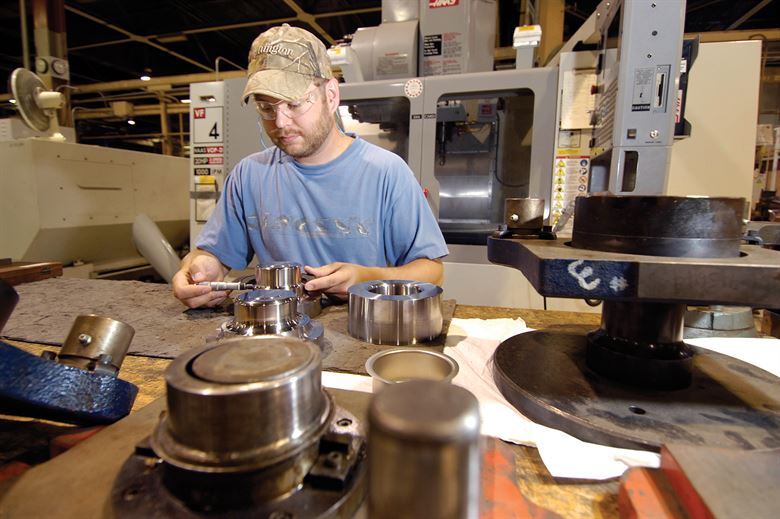
Recent data collected by IndustryNet shows the U.S. is home to hundreds of thriving machine shops, ready to take on your company's next machining order. Sales in the industry topped $261 million in 2016, and employment inched up a half percent. Your search for the right machine shop should begin with the nature of the machine work that you require. IndustryNet has compiled some top machine shops in the U.S. that provide outstanding service for different types of machine work. Precision machining Whether you need a prototype for a new medical device or a large lot of items for the automotive or aircraft industry, JC Milling Co. in Machesney Park, Illinois can meet your needs. JC Milling also applies various protective coatings. Though it began in 1979 as a local machine shop, JC Milling now serves the entire U.S. Contract machining Focused primarily on the transportation industry, Tibor Machine Products, headquartered in Bridgeview, Illinois, produces knuckles, hydraulic cylinder components, rods, axles, shafts and many other parts. With state-of-the-art CNC (Computer Numerically Controlled) lathes, CNC Vertical and Horizontal Milling Centers and Spline Rolling, Tibor Machine has the equipment needed to fill your machining job. It also has on-site assembly and testing facilities to ensure that only the highest-quality machined product reaches your company.
Industrial News·Friday, December 1, 2017
U.S. manufacturing expands for a 15th straight month
U.S. manufacturing activity expanded for a 15th straight month in November, though growth in the sector has decelerated somewhat over last month, according to new data released this morning by the Institute for Supply Management. The ISM's report, out today, pegged U.S. factory activity levels at 58.2, compared to the 58.7 reading recorded last month. This doesn't mean activity is contracting, as any reading over 50 indicates expansion. Rather, growth is happening at a somewhat smaller pace compared to the previous month. November marks the 15th consecutive month of growth in the manufacturing sector, and the 102nd month of growth for the U.S. economy overall. The ISM reported new orders, production and employment continue to post strong growth, while other metrics such as supplier deliveries and raw materials inventories are contracting. Customers' inventories are on the rise, however, and prices are increasing at a slower rate. According to ISM's survey of supply executives, fourteen of eighteen industries reported growth, with paper products, machinery; transportation equipment; and computer/electronic products; and rubber/plastics, leading growth. Remarks from supply executives published by the ISM were overwhelmingly positive, with one executive in fabricated metals sector stating "We are seeing steady, consistent demand for end of year. We usually see a slowdown, which we haven't seen yet." Another executive in the miscellaneous manufacturing category said: "We are just coming off a record sales year. We expect to continue in 2018 robust activity."

Industrial News·Monday, November 27, 2017
Top wire and cable manufacturers in the U.S.
IndustryNet's most recent industry analysis of U.S. wire and cable manufacturers found the sector is currently growing, adding 3.3% to its workforce over the past year and increasing sales by 1%. Today, IndustryNet takes a look at some of the top wire and cable manufacturers in the U.S. This particular report analyzes wire and cable companies based on employment, employment growth, plant square footage, and sales growth. The wire and cable sector reports a slightly higher jobs growth at 5 percent than manufacturing as a whole at 4 percent. As a corollary, it also reports a slightly lower percentage of companies reporting a decrease in employment at 3 percent than manufacturing as a whole at 4 percent. Finally, the wire and cable sector reports considerably higher reliance on international distribution than manufacturing in general. Approximately 41 percent of wire and cable companies distribute their product internationally compared to only 29 percent of all manufacturers. Regionally, the East North Central portion of the United States (Illinois, Indiana, Michigan, Ohio, and Wisconsin) contains the majority of wire and cable manufacturers at 398 companies, or 31 percent of all wire manufacturers nationwide. All of the remaining regions trail far behind this figure.

Company Announcements/Insights·Tuesday, November 21, 2017
Bell Flavors & Fragrances announces SQF recertification with top ratings
Bell Flavors & Fragrances has announced the completion of its 2017 Safe Quality Foods (SQF) Level 3 Recertification audit for its Northbrook headquarters and has achieved top ratings of "excellent" for the seventh year in a row. The recertification had corroborated Bell's continuing effort to maintain a clean and orderly facility at each of its locations. The standard operating procedures (SOP) at Bell also ensures that each Bell employee is knowledgeable of and follows Safe Quality Foods standards. Bell has reached its goal to have each flavor manufacturing location worldwide obtain its Global Food Safety Initiative (GFSI) Certification. Respective of each country, all locations have received its SQF Certification or FSSC2200 Certification as of November this year. Thomas Fortman, Vice President of Manufacturing at Bell, stated, "The Safe Quality Food (SQF) standard is an internationally recognized food safety standard that, when certified, tells the world that our Quality Management System conforms to food safety regulations. It means we are committed to continuous improvement and that Bell practices good manufacturing standards.
State News·Friday, November 17, 2017
Job losses in New York's manufacturing sector accelerate
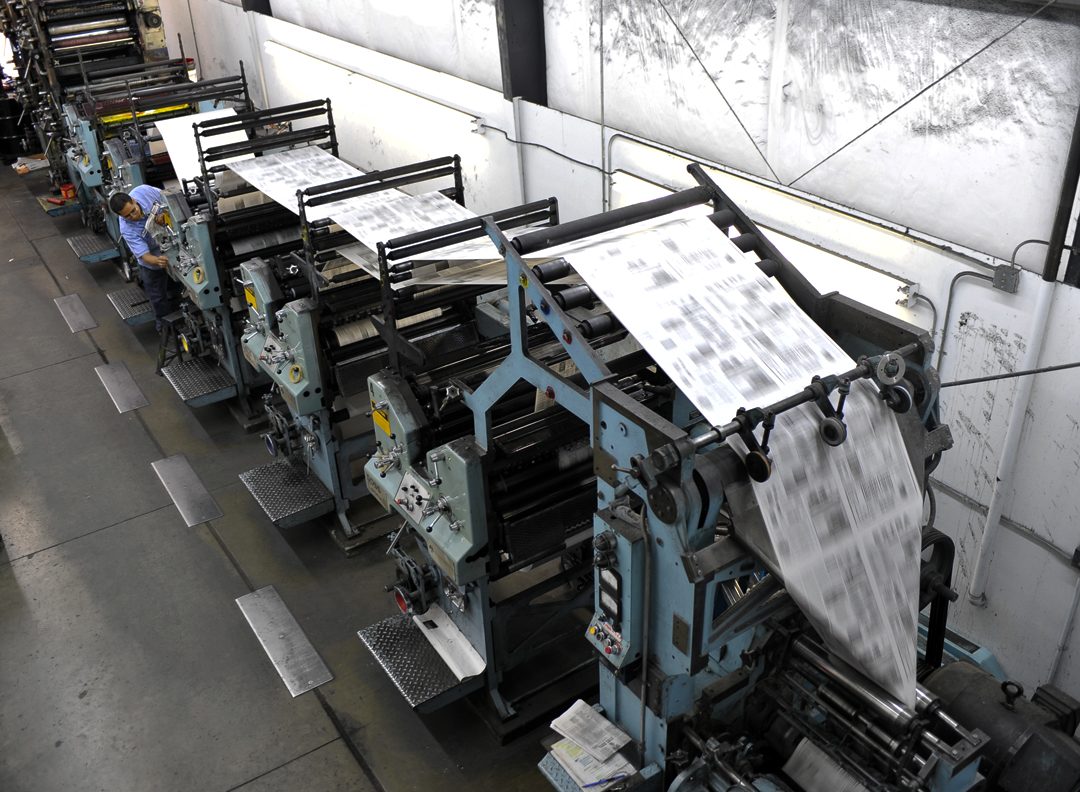
According to new data collected this week by IndustryNet, manufacturing jobs in New York declined over the past year, falling 1.7%, or by nearly 12,000 jobs -- one of the sharpest losses recorded for the state since the recession. Echoing similar challenges faced by states like Pennsylvania and Massachusetts, high business costs, global competition, and a strong dollar continue to ravage many of the state's traditional sectors, while industries that encompass more high-tech and automation-based enterprises ares seeing consistent growth. This article will explore major developments for New York manufacturing companies, delving into city, county, regional, and historical data collected by IndustryNet. We'll also examine some of the challenges faced by New York manufacturers, and explore a number of creative measures state officials are taking to improve its industrial outlook. New York manufacturing: the year in review Industrial companies in New York shed 11,641 jobs between September 2016 and September 2017, a 1.7% loss. Declines over the year were led by New York's printing/publishing sector, which shed 4% of its workforce, and remains the state's top sector by number of industrial jobs. According to IndustryNet, New York's printing/publishing sector has long been losing ground with employment in the industry plummeting 28% over the past decade, a loss of nearly 40,000 jobs.

Industrial News·Wednesday, November 15, 2017
U.S. wire and cable manufacturers see uptick in growth
According to data collected by IndustryNet, wire and cable manufacturers have performed quite well relative to United States manufacturing as a whole. Recent IndustryNet data shows four percent of manufacturers across all sectors have reported employment growth, while four percent have reported decreases in the last year. By comparison, five percent of wire and cable manufacturers showed growth in employment, while three percent reported declines. These figures encompass 1,302 companies in the industry that employ 62,554 people. Anixter Wire and Cable has a manufacturing plant covering 10 million square feet in Lenexa, Kansas. It is the largest in the country. The 10th largest is a division of Bekaert Corporation and occupies 600,000 square feet in Van Buren, Arkansas. In sales, both across manufacturing and exclusively wire, one percent of wire and cable manufacturers report increases and one percent report decreases. Average sales for the industry this year were $24,686,549,950 up 1.06 percent over the previous year. That's an increase of nearly $260 million. Jobs in the wire and cable industry overall grew 3.3% over the past year. This article will address how growth in employment and sales varies by both location and by category of wire products, while briefly profiling a couple of the top wire and cable manufacturers in the U.S.
Resources·Tuesday, November 14, 2017
8 tips for sourcing a wire harness assembly manufacturer
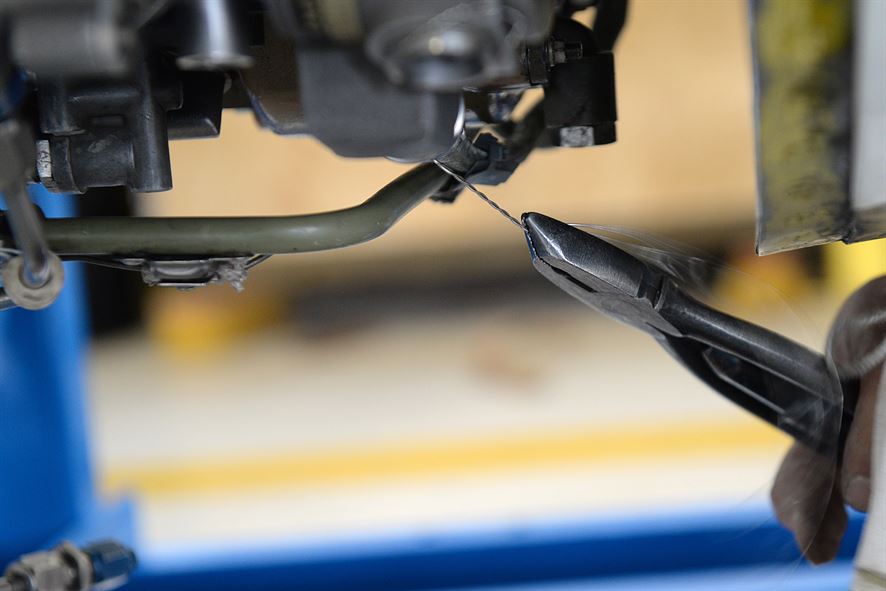
Wiring harnesses are essential to numerous industries, making the choice of manufacturer crucial. There is a great deal of variation in the ways the cables can be bound, making room for wire harness companies to specialize in a specific type of harness. To source the right manufacturer for your custom wire harness assembly, you should compare your desired specifications with their specialties, taking into account the factors below. As you begin your search for a wire harness manufacturer, you may be tempted to bring production in-house. However, while you would need to buy and maintain all the expensive machinery needed, manufacturers already have it. Additionally, due to economies of scale, they are able to get a better price on materials than you could. Pinner Wire & Cable, Inc. boasts robust relationships with leading component suppliers, allowing them to negotiate a better price on your behalf. Between the equipment cost and bulk material purchasing, outsourcing wire harness assembly saves you money - even with the charges from the manufacturer. One of the most critical factors when sourcing a manufacturer for custom wire harness assemblies is the equipment they use. If they use older or faulty equipment, your wire harness assemblies may fray or wear out more quickly. Winar Connection Inc. uses a fully automatic Schleuniger Crimp Center 64 it purchased in 2013; the machine allows for higher performance and a lower setup time. They also use multiple fully-automatic crimping machines, a braiding machine and an ultra-sonic welder.
Resources·Monday, November 13, 2017
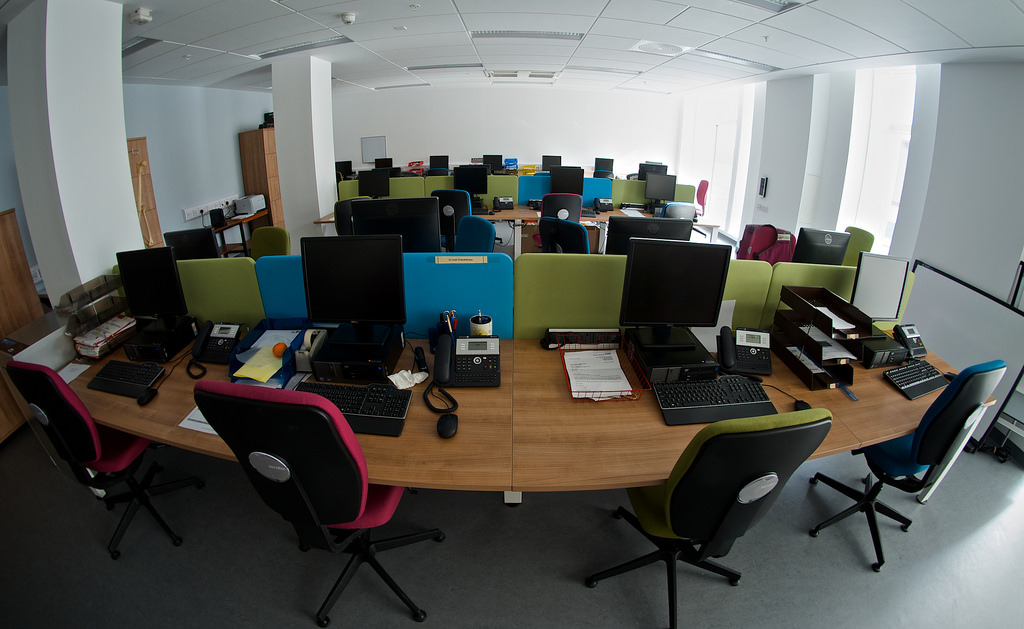
4 tools for relocating your business
According to an article in Entrepreneur magazine, companies typically cite five main reasons for business relocation: labor and workforce issues, reaching new markets, upgrading facilities or equipment, reducing costs or increasing cash flow and quality of life considerations. Business relocation also carries some pretty serious risks: -The possibility of losing some of your customers -Expenses that you didn't budget for -The potential loss of valuable equipment -Loss of essential employees who cannot or will not move with the company Management needs to use every available tool to minimize the impact on operations while preserving financial solvency. Here are four tools that can help address some of the most critical factors that business faces during relocation. Research locations The primary concern for any business that needs to relocate due to reasons as varied as expansion, reducing overheads or being closer to their customers' location. Management needs to be sure that the new locale is as favorable to business as possible and that requires an accurate, comprehensive and quick source of information on that company's potential new home. Use IndustryNet's Expansion and Relocation Guide for business to discover crucial information about: -Is it a right to work state? -What is the total population? -Which areas have the most manufacturing jobs?
Industrial News·Wednesday, November 8, 2017
Top battery companies in the U.S.
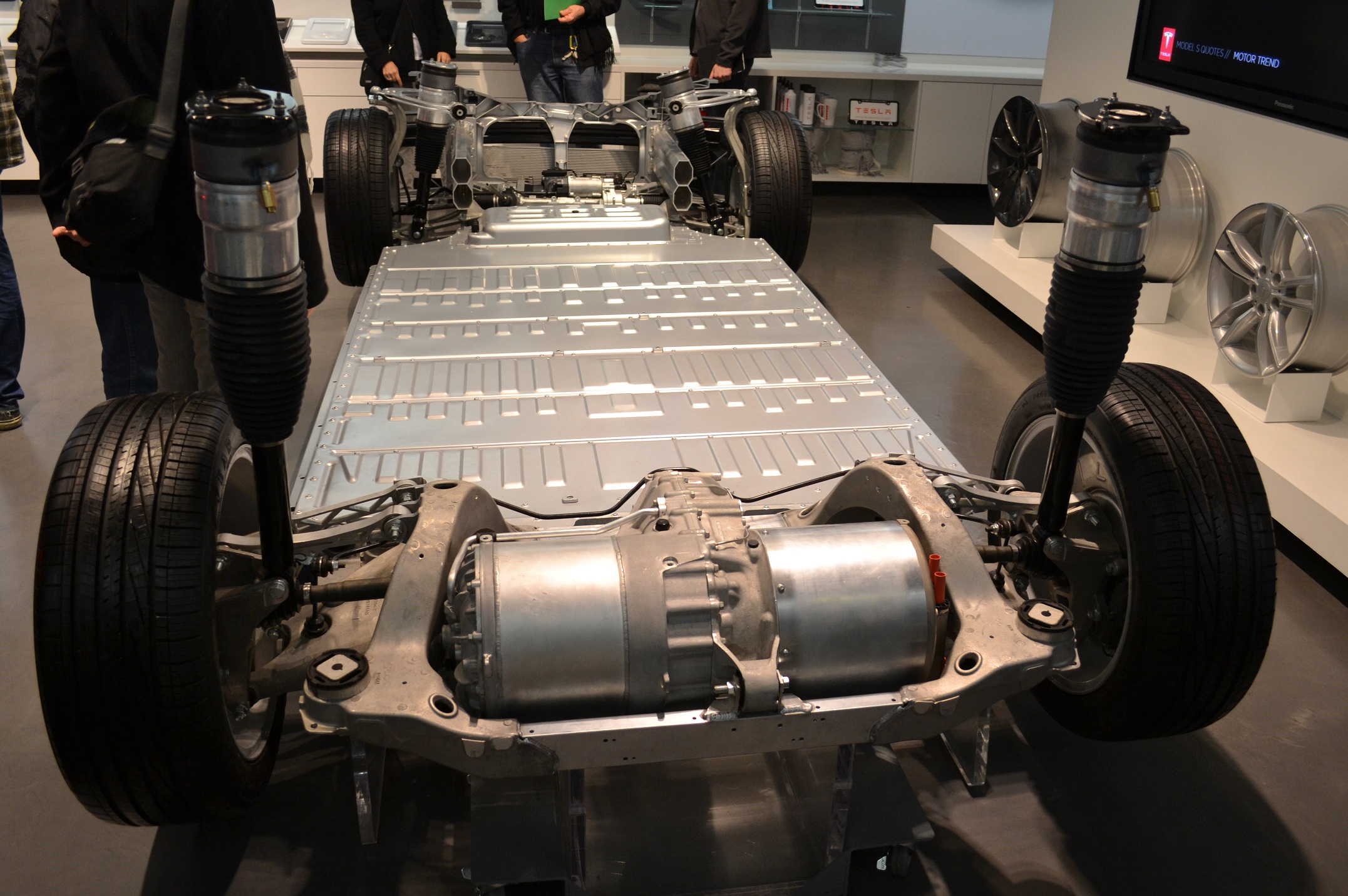
Americans use batteries in virtually every home, office, device, and vehicle, so it's no surprise that the U.S. battery manufacturing industry is exploding. And, as the country shifts slowly away from fossil fuels, battery manufacturers are responding to the need for power by innovating new styles and types of batteries that provide comparable function at a reasonable cost. The following top battery companies are cornering their market niche and looking to the future for their next power-generating opportunity: Top battery manufacturers in the U.S. by square footage 1. Tesla; McCarran, Nevada Elon Musk's goal is to power the world with sustainable energy. His "Gigafactory" plant in Nevada is the world's biggest, at 13,600,000 square feet. The facility is also home to the third largest single-site workforce of 1,000 employees. 2. East Penn Manufacturing; Lyon Station, Pennsylvania The single site facility of this privately owned lead-acid battery manufacturer is 3,200,000 square feet. It produces power sources for the transportation, motive power, and reserve power sectors. 3. EnerSys Energy Products; Warrensburg, Missouri This manufacturer builds multiple battery options for high-temperature locations in its 600,000 square foot Missouri plant. 4. EaglePicher Technologies; Joplin, Missouri (Plant 1) EaglePicher sources the defense, space, medical, oil and gas, and aviation industries. Its largest production facility, at 500,000 square feet, produces many of its thermal, primary, and secondary battery packs, charging stations, and energetic devices. 5. XALT Energy; Midland, Michigan XALT is proud of its all-electric, zero emissions buses and Formula E race cars. Its marine sector offers power solutions that make new ships more environmentally friendly while also reducing their fuel and operating costs. Many of its batteries are built in its 500,00
