


Industrial News·Wednesday, September 6, 2017
Laser cutting industry analysis: sales, job numbers reveal strong growth
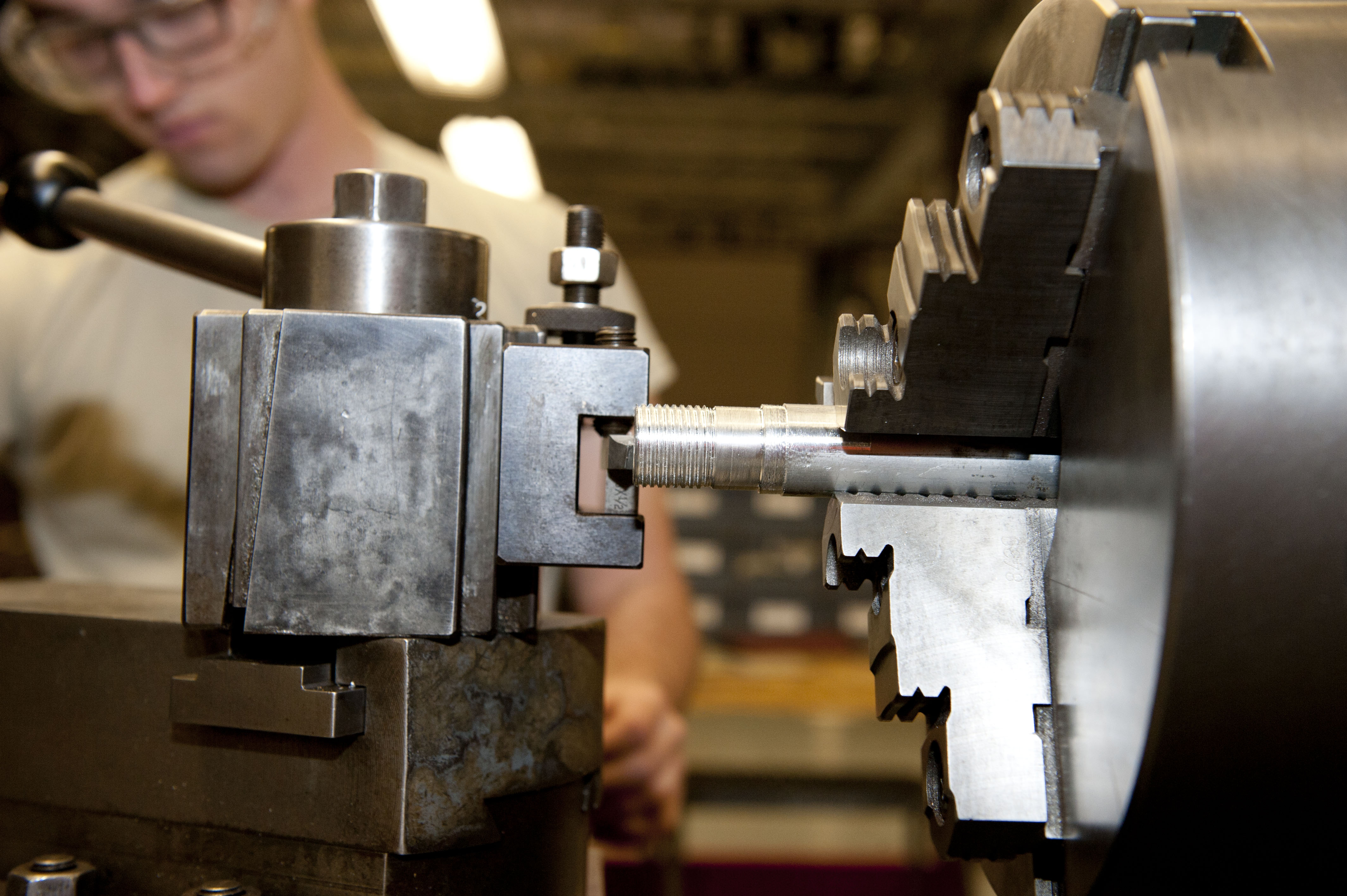
With applications in automotive, aerospace, biomedical, and electronics, the future of laser cutting is looking bright. Industry advances such as micro-engraving and the increasing demand for machine tools predict sectoral growth for laser cutting. IndustryNet, which maintains current information on nearly 400,000 U.S. manufacturers as well as 10,000+ industrial supply companies, recently analyzed the thousands of machine shops that provide laser cutting services in the U.S. to gain perspective on current industry trends and compare company performance across a spectrum of data points. This article will explore the industry as a whole, examining regional differences within the United States. According to its most recent analysis, IndustryNet is tracking 198 laser cutting companies with 4,399 jobs and over $535 million in sales annually. Job growth has increased in these types of machine shops over the past year by 4.04%, edging out U.S. manufacturing as a whole, which grew by 4%. Regionally, the Midwest leads the nation in both the number of laser cutting companies at 87 and the number of jobs at 2,330. The remaining regions are clumped fairly close together, statistically. The West is a distant second nationally, with 368 companies, but ranks third in terms of the number of jobs at 799. The South comes in third with respect to the number of companies at 34, but second in the number of employees at 919. The Northeast ranks fourth in both categories with 30 laser cutting companies employing 650 individuals.
Industrial News·Tuesday, September 5, 2017
U.S. tool & die makers report strong sales, job growth
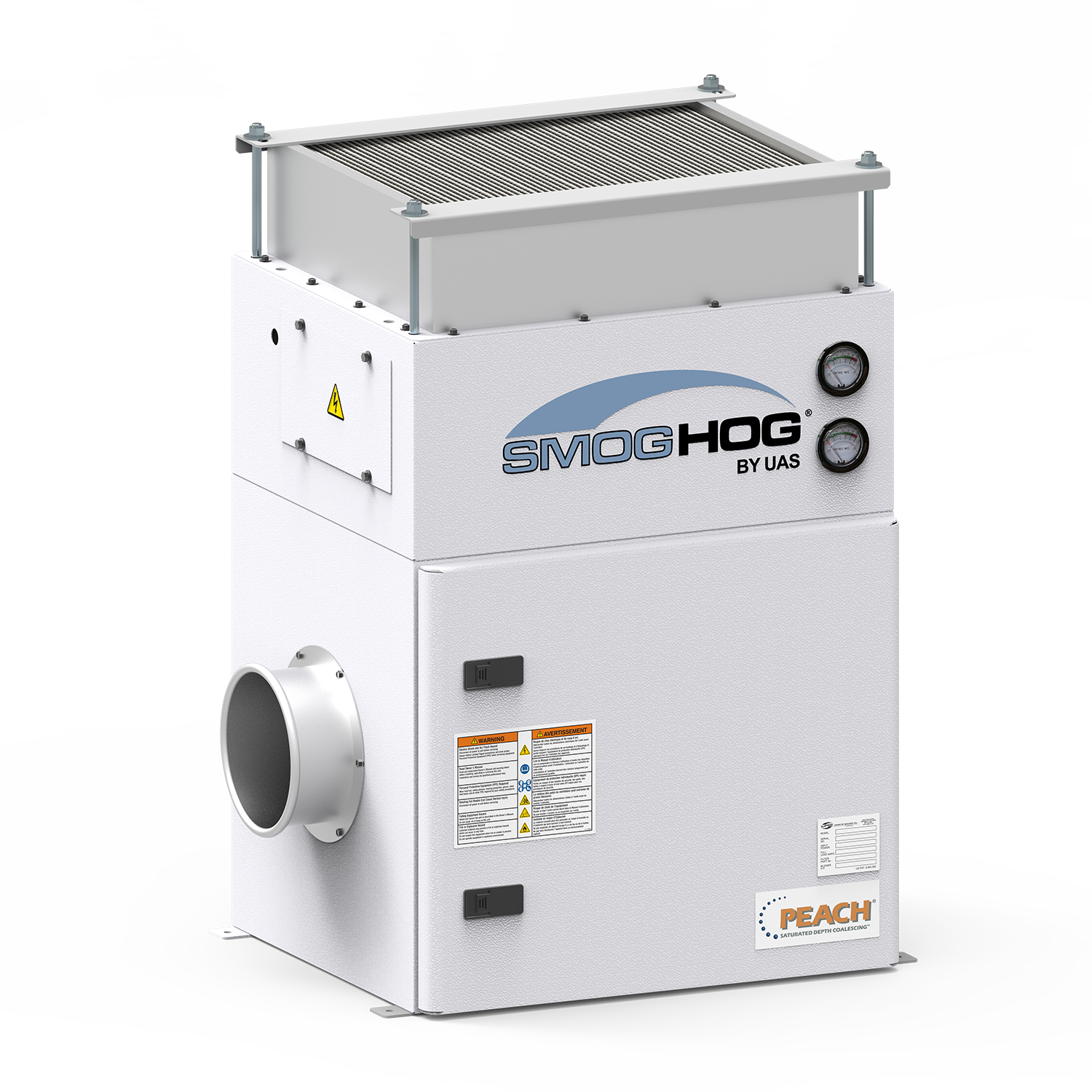
Tool and die makers are machinists who create the parts and tools used to manufacture everything from the smallest toy to the largest jet engine. Originally, all work was done by hand. Today, computer numerically controlled, or CNC, machines perform many of the tasks. Once programmed, CNC machines work quickly, efficiently, and to exact specifications whether an order is for 10 units or 100. The U.S. Department of Labor's Bureau of Labor Statistics estimates the median annual wage for tool and die makers is around $51,000 per year - well above the average national wage. While no higher education degree is required to enter the field, most tool and die manufacturers undergo an extensive apprenticeship, learning their craft on the job. Some advance from CNC machine operators to CNC programmers and, eventually, into engineering as all three fields are related. The bureau also projects a 6 percent growth rate in this field in the coming years. IndustryNet, the leading source for information profiling U.S. manufacturers, compiled statistical information analyzing tool and die makers in 2017 to gain perspective on current industry trends and compare company performance across a spectrum of data points. This article will explore the industry as a whole, including regional differences within the United States. According to its most recent analysis, IndustryNet is tracking 2,108 tool and die companies nationwide with 36,965 jobs and over $2 billion in sales annually. Sales have increased in this sector over the past year by 2.68 percent. Two percent of tool and die companies report sales growth, compared with only one percent of manufacturing companies as a whole.
Company Announcements/Insights·Friday, September 1, 2017
Parker Hannifin Launches New "SmogHog" SHM Machine Mount Mist Collector
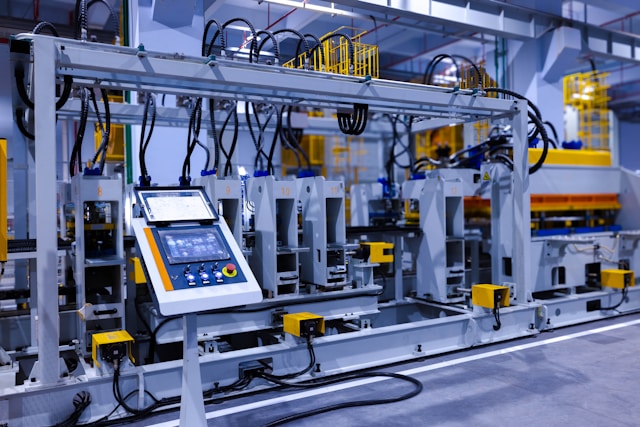
The Industrial Gas Filtration and Generation Division of Parker Hannifin Corporation, the global leader in motion and control technologies, today announced the launch of the SmogHog SHM Machine Mount (MM) media mist collector. The SmogHog SHM MM is a media mist collector designed for direct mounted systems and collecting coolant mists from processes such as CNC machining, cold forming, sawing, lathes, stamping and more. The SmogHog SHM MM unit is available in two base models rated at 500 CFM and 800 CFM to handle various machine sizes and applications. Both models feature PEACH saturated depth coalescing media in a patent pending filter design. PEACH, a patented, proprietary Parker media technology uses a three-stage filtration process that progressively reduces the mist concentration resulting in greater than 99% particle removal efficiency. The 800 CFM unit is available in an advanced version that includes a remote touchscreen controller and EC blower, which simplifies product operation and maintenance while delivering energy savings. "The introduction of the SmogHog SHM Machine Mount further expands our ability to solve our customer's mist collection with a solution that best fits their needs," said Travis Haynam, product manager, Industrial Gas Filtration and Generation Division. "Having a comprehensive family of SmogHog mist collectors featuring best in class media and ESP technology allows us to provide appropriate solutions for a customer's specific application that deliver value in meeting performance expectations and improved total cost of ownership."

State News·Thursday, August 31, 2017
Maryland/DC manufacturing picks up steam as Baltimore losses slow
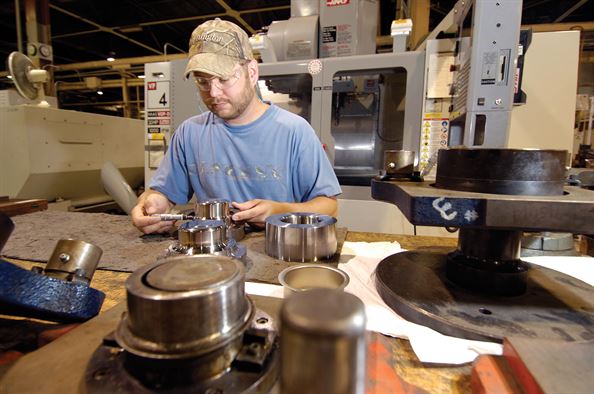
According to new Maryland industry data released this week by IndustryNet, manufacturing employment in the Maryland/DC region inched up over the past year, led by strong growth in the state's pharmaceutical and food processing industries. IndustryNet reports Maryland industry jobs edged up by about 300. Though not a big increase, this year's gain is still significant given that it's the first the region has seen in several years. The Maryland/DC region struggled to add jobs in the years following the recession. According to IndustryNet data, the region shed 16,000 jobs or about 8% of its workforce since May of 2009. More than half of these losses occurred in the Baltimore region, which plummeted by 9,000 jobs over that time frame. Baltimore manufacturing on the upswing? Recent data shows, however, that Baltimore may be poised for a turnaround. Though the city's manufacturing employment did inch down one percent over the year, this is negligible compared to the double-digit losses of the past, suggesting a slowdown in layoffs and plant closures. At the same time, a number of new projects have been announced in the city, ranging from highly innovative enterprises to nuts-and-bolts type operations.
Resources·Wednesday, August 30, 2017
5 pro tips on finding the right tool & die manufacturer for your business
Tool and die makers fabricate fixtures, dies, molds, jigs, gauges, and tools, such as cutters, used in manufacturing. Their employees are often skilled artisans and craftspeople who work in close consultation with manufacturing engineers. The abilities of tool and die makers to meet specific needs vary widely, causing the search for an appropriate provider to be both confusing and time-consuming. The following tips will help your business utilize the information from the comprehensive online guide, IndustryNet, to identify tool and die service suppliers who will best fulfill your unique manufacturing requirements. Most businesses address particular industry sectors. It is important to find a tool and die maker whose specialization is compatible with yours. For example, if you produce bumpers or brackets for light trucks, a firm such as Superior Die, Tool, and Machine Company could be a good match for your needs. Their emergency assist program provides for the rapid start-up of lines producing those vehicle parts. While a vendor can create much of the tooling your business needs through methods like computerized numerical control (CNC), additional fabrication techniques such as welding may be necessary. A company like CGS Machine, with certified welders and a Certified Weld Inspector on site, can fulfill such specialized production demands.
Industrial News·Tuesday, August 29, 2017
Meet America's largest and fastest-growing tool & die makers
IndustryNet, which maintains current information on nearly 400,000 U.S. manufacturers as well as suppliers of 10,000+ products and services, recently analyzed U.S. tool and die makers and compiled a list of the nation's fastest-growing and largest operations. According to IndustryNet's recent data, there are currently 2,108 tool and die makers in the United States, employing 36,965. Sales in the industry rose nearly 3%, and employment inched up a half percent over the past twelve months. Out of the thousands of thriving tool and die makers in the U.S., the following companies are at the top of the list: Top 10 tool and die companies by employment With the exception of the top entry, all others are a "small business" - 500 employees or less - as defined by the Small Business Administration. 1. Meyer Tool, Inc.; Cincinnati; 750 employees. Vertically integrated, Meyer Tool offers a number of related services such as engineering, powder coating, repair, and metallurgical lab evaluation in addition to traditional tool and die work. 2. The Hines Group, Inc.; Owensboro, Kentucky; 400 employees. The Hines Group is a conglomerate of companies, including Premium Allied Tool, Hines Stamping, LLC, and the Hines Group, Inc. As such, the extended group offers a broad spectrum of tooling services. 3. Autodie, LLC; Grand Rapids, Michigan; 300 employees. Autodie specializes in large, complex stamping dies and provides onsite service through their team of technicians. 4. LH Carbide Corp.; Fort Wayne, Indiana; 250 employees.

Resources·Monday, August 28, 2017
5 steps to finding the best welding services for your business
According to IndustryNet there are 3,552 companies that provide welding services in the U.S. These employ 3,686 individuals nationally - a 7.85% increase in employment over the previous year. Sales in the industry topped $47 billion last year alone. The U.S. Department of Labor and Industry, Bureau of Labor Statistics notes that welding often includes ancillary services such as cutting, soldering, and brazing. Welds and the types of materials to be welded vary from job to job. And different welding services have different specialties and skills Evaluate your finished product requirements to choose the welding services that meets those needs. Here are some items to consider when preparing to choose a welder: 1. Leveling and kitting. Arc welding - the process of using electricity to melt two metals together - is a fairly common form of welding. Tulsa Metal Welding in Oklahoma takes welding one step further. Their precision rollers ensure that each part is fully level and ready to be boxed into pre-packaged kits for immediate use on your project. 2. Drawings to delivery. If you have a concept for a finished product, but no in-house design engineers, turn to Young's Welding, Inc. in Chanute, Kansas. Young's performs custom welds from drawings, sketches, or CAD designs. Contractors requiring powder coating for their parts can also rely on Young's to perform quality work on that portion of the project as well.

Resources·Wednesday, August 23, 2017
5 factors essential to finding the best plastic injection molding company
Reliably designed and manufactured parts are critical for industrial success. Plastic injection molding provides an exceptional manufacturing process that allows perfect production regardless of the complexity of the detailed features or number of units that must be produced. Automation ensures an excellent product with each run while reducing costs. However, not all plastic injection molding services are created equal. Due to high tooling costs and high lead times, it is imperative to find a service that will work well on the first try. Here are a few points to consider when researching plastic injection molding services. Standards At a fundamental level, the manufacturer chosen should be ISO 9001:2008-CERTIFIED, which demonstrates that the company is compliant with industry regulations. In Iowa, Eldora Plastics has been ISO 9001 compliant since 1998. It may also be helpful to examine a company's BBB rating, ensuring that it treats its customers well and delivers on time. Size Once a company with a good reputation has been found, ensure that it can handle the volume you need. In addition, they need to be able to scale up as quickly as necessary, and be able to handle the level of output required over the long term.

Industrial News·Monday, August 21, 2017
America's top 15 plastic injection molding companies
IndustryNet, which maintains current information on nearly 400,000 U.S. manufacturers, recently analyzed the top plastic injection molding companies in the U.S. Out of approximately 1,700 plastic injection molding companies in the United States, the following are the top of the sector in terms of number of employment and manufacturing space: Top 10 plastic injection molding companies by employment 1. Bemis Manufacturing Co.; Sheboygan Falls, Wisconsin; 1,200 employees. Bemis is a family-owned business that traces its roots to woodworking. 2. Technimark, Inc.; Asheboro, North Carolina; 1,005 employees. A relative newcomer to plastic injection, Technimark was founded in 1983 and is now a global supplier of packaging and components serving the health care and industrial sectors. 3. Nypro, A Jabil Co.; Clinton, Massachusetts; 1,000 employees. Nypro focuses on the health care sector with a broad range of design and manufacturing capabilities worldwide. 4. CalsonicKansei of Lewisburg, Inc.; Lewisburg, Tennessee; 1,000 employees. Another relative newcomer to plastic injection, CalsonicKensei was founded as a packaging company in California in 1976. It added plastics to its product line in 1983.

Company Announcements/Insights·Friday, August 18, 2017
Franklin Bronze Precision Components Announces Quality Assurance Manager
Paul Polesnak has joined Franklin Bronze Precision Components, LLC (FBPC) as Quality Assurance Manager in Franklin, PA. Paul comes to Franklin Bronze with over 32 years of experience in quality and management systems, continuous improvement, and Lean/Six Sigma activities. He is as a Certified Quality Engineer and held previous roles as a Process and Methods engineer as well as a Senior Supplier Quality engineer. As Quality Manager, Paul manages the ISO 9000 Quality System, develops, oversees and implements process control and plant continuous improvement activities, and directs all auditing functions at Franklin Bronze. Paul attended Pennsylvania State University, earning a Bachelor's degree in Metallurgy and an MBA from Youngstown State University. About Franklin Bronze Precision Components
State News·Friday, August 18, 2017
North Dakota industrial jobs decline for a second year in a row - though losses have slowed
According to new data released this week by MNI, compiler and publisher of the industrial information that powers IndustryNet, North Dakota lost jobs in its industrial sector, as the state's oil/gas industry continues to shrink. MNI reports the state lost 320 manufacturing jobs from May 2016 to May 2017, or 1%. This is the second straight year MNI recorded an employment decline in North Dakota's industrial sector. Losses seem to have slowed, however, with MNI's 2015-2016 survey showing a much sharper 6% decline in employment, suggesting the worst of the state's losses may be over. After the oil bust, is North Dakota once again poised for growth? North Dakota was the star of the nation's post-recession recovery period. Between May of 2011 and May 2015, North Dakota added a staggering 10,371 jobs, representing a 28% surge in the state's industrial workforce. This was largely based on the Bakken Shale boom, which boosted North Dakota's oil and gas extraction sector exponentially. Back in May of 2010, North Dakota's oil/gas sector was a marginal state industry of 2,500 workers, according to MNI's archived data, but by May of 2015, this number had swelled to 9,030 workers, a 361% increase. That sector rose to become the state's top industry by number of employees, overtaking traditional industries like food processing and industrial machinery, and in 2012 became the nation's second-largest oil producing state. Auxiliary sectors like fabricated metals, chemicals and industrial machinery and petroleum products also saw significant employment increases. In Williston, the heart of the shale boom, the population skyrocketed which lead to a housing shortage and overcrowded schools. By 2014, Williston had the highest rent in the nation and companies like Falcon Structures began producing oilfield housing made from shipping containers. MNI's city data shows Wil

Company Announcements/Insights·Wednesday, August 16, 2017
Business Credit Reports announces innovative no-cost supplier risk report program
Business Credit Reports Inc., the only company uniquely licensed to blend information from Experian, Dun & Bradstreet and Equifax instantly online, has announced a new program that enables companies, non-profits, government agencies, hospitals and educational institutions to access Supplier Risk Reports on their vendors at no cost to them. Utilizing a new line of multi-bureau Supplier Risk Reports powered by information from Experian, Dun & Bradstreet, Equifax and other sources, the program provides a secure website to which companies can refer potential new and existing suppliers. The supplier pulls, pays for and shares their credit / supplier report and the secured platform delivers a copy of the report to both the supplier and referring company, insuring that the report has not been altered in any way. BCR's Supplier Risk Reports contain supplier risk scores, payment history, collections, public record, judgment, tax liens, bankruptcy, company information with corporate linkage, DUNS Number, financial statements on publicly traded companies, fraud flags, and a Google Maps link to put eyes on that business. BCR provides reports instantly online on companies in the U.S., Canada and International. Twelve months of monitoring is included on U.S. and Canadian companies. This program enables great synergy between suppliers and their customers because suppliers benefit as well. By pulling its own report, the supplier gains insights into how the credit bureaus and others view the company at a cost that is significantly less than if they were to pull a report from each credit bureau separately. They also receive monitoring of their business credit report for 12 months.

Resources·Wednesday, August 16, 2017
5 factors you need to consider when choosing an electric motor repair supplier
According to IndustryNet there are 755 electric motor companies employing 32,828 individuals nationally. Sales in the industry topped $15 billion last year alone. Given the enormous size of this industrial sector, it can be difficult narrow down the options and pick the right electric motor repair supplier. Here are several factors manufacturers should consider before making a final decision: 1. Motor size. Lifting and properly repairing large motors requires special handling and equipment. Red Stick Armature Works, Inc., based in St. Francisville, LA specializes in exactly this kind of work. Red Stick's HeatTek Vacuum Pressure Impregnation System (VPI) is the largest in the state and one of the few in the United States. 2. Testing capabilities. Testing the core prior to rewinding saves time and money. Headquartered in Norman, OK, Evans Enterprises, Inc. knows that no company wants to waste time and money re-winding a bad core. Their core loss testing procedure ensures that the stripping oven does not affect the core's integrity and that the core is worth re-winding. 3. Design engineers. Sometimes, motor failure is due to poor design. Electric Motors & Drives, Inc. offers complete engineering for both AC and DC motors in their Anderson, SC facility. Rather than repair the same problem multiple times, EMD's experienced engineers offer re-design proposals that will lower equipment maintenance costs.

Company Announcements/Insights·Tuesday, August 15, 2017
Bell Flavors & Fragrances Introduces New Line of Food Grade Botanicals
The demand for food grade botanicals is rising as more consumers pursue natural products. In response, Bell Flavors & Fragrances has announced a new line of food grade botanical extracts. With botanicals ranging from absinthe, curry, ginger and more, Bell has already had great success in applications such as bakery, beverage, confections, dairy, and savory. Naturally functional ingredients and foods continue to drive product developments and new innovations through the food and beverage industry. Research has uncovered many health benefits of using botanicals, and opportunities exist that reach a variety of different demographics. Consumers are seeking more natural foods that offer the botanical health benefits rather than opting for a vitamin capsule. Bell Flavors & Fragrances line of food grade botanical extracts for functional food and beverage manufacturers are specifically developed to address the needs of consumers who seek enhanced health benefits and functionality in the foods and beverages they consume.
Industrial News·Tuesday, August 15, 2017
The nation's top welding companies
Welding joins the world. From ice skate blades to supersonic planes, welding forms a bond between two materials strong enough to keep an ice skater balanced and an airplane flying faster than the speed of sound. And in the U.S., small welding operations continue to thrive, with employment up 7% year-over-year according to a recent IndustryNet report. Today we'll examine some of those flourishing operations. Welding companies generated over $47 billion in sales last year, representing a modest increase from the previous year, with two-thirds of all producers located in the Midwest or the South. According to the U.S. Department of Labor, Bureau of Labor Statistics, welders perform a broad range of tasks from interpreting blueprints to determining the correct process to create the strongest bond. Overall, the industry is expected to grow approximately 4 percent over the coming years, with welders scoring an average annual salary around $40,000 per year. IndustryNet analyzed the 3,500 welding companies operating in the U.S. and found the following at the top of the sector in employee growth and sales growth: Top 10 welding companies by employee growth It is interesting to note that 70 percent of these companies are considered small businesses. The following added the most employees over the previous 12 months, ranked by number of employees at each location. 1. Lincoln Electric, Inc.; Euclid, Ohio; 2,000 employees 2. Capweld, Inc.; Jackson, Mississippi; 700 employees 3. Comau, LLC; Southfield, Michigan; 600 employees 4. TLC Plumbing and Utility; Albuquerque, New Mexico 6. Topre American Corp.; Smyrna, Tennessee; 160 employees 7. Henry Contracting Inc.; Al
Industrial News·Monday, August 14, 2017
The U.S. welding industry rebounds as new techniques and materials spark growth
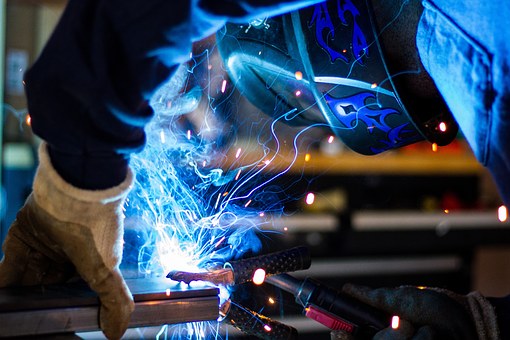
New data compiled this week by IndustryNet takes a closer look at U.S. welding companies to gain perspective on current trends and compare performance. With multiple processes such as laser welding, spot welding, and resistance welding, the sector has developed into a multibillion dollar industry and many industry representatives express optimism for the future of welding. Modern technologies have facilitated applications that extend beyond traditional metal-to-metal surfaces and into plastics, composites, and alloys. Additionally, as manufacturing of supersonic airliners, marine equipment, and other emerging technologies grow, the demand for specialized welding companies will only increase. Dramatic job growth According to IndustryNet's most recent analysis, there are 3,552 welding companies in the U.S. employing 43,686. Job growth has increased dramatically in this sector over the past year with 7.85 percent. Compared to 4 percent in U.S. manufacturing as a whole, welding leads in reporting employee growth. Spot welding experienced astronomical employment growth year-over-year at 38 percent. The next closest niche, Resistance welding comes in at a close second with an employee growth of 21 percent. Other welding industries to report growth included welding supplies (up 4.55%) welded fabrications (up 2.2%) and welding machinery (up 1%). Interestingly, welding automation systems reported a 1% decline in employment, while most other sub-industries remained constant.

Resources·Friday, August 11, 2017
Feeling stuck in your search for the right adhesives supplier? Six tips to help aid your mission
According to IndustryNet, there are 457 adhesive companies employing 19,628 individuals nationally. Sales in the industry topped $629 million last year alone. Because of this abundance of options, selecting right adhesive supplier can be a daunting task. In order to narrow the list down, manufacturers should select adhesive suppliers that can provide the following: 1. High temperatures. Whether you need to bond plastics at 400 degrees or ceramics at 4000 degrees, you need the bond to seal tightly and remain sturdy. Cotronics, based in Brooklyn, NY, carries a wide range of products specifically designed to meet your high-temperature needs without cracking or degrading the bond. Cotronics specializes in ceramics, offering sealants, repair materials, and both rigid and flexible bonding materials. 2. Structural applications. If you are looking for an adhesive strong enough to bond turbine blades or versatile enough to join a filter to metal or plastic, Innovative Resin Systems has your product. IRS produces epoxy adhesives, one- and two-component elastomer-modified epoxies, and low-odor resins at its home base in Newark, NJ. 3. Versatility. Some bonding jobs require more than one type of adhesive. Whether you need to adhere two different substrates or two metals as part of the same project, one company meets your needs. Masterbond, in Hackensack, NJ, combines the quality you desire with the quantity you require. With over 3,000 grades of adhesives, Masterbond is sure to have one that is ideally suited for your project.

State News·Thursday, August 10, 2017
Georgia manufacturing roars ahead, adding jobs for a seventh straight year
According to new data released today by MNI, manufacturers in Georgia added jobs for a seventh straight year, as continued gains in the auto industry boosted employment across multiple sub-sectors. MNI, compiler and publisher of the industrial information that powers IndustryNet, reports Peach State manufacturers added 4,373 new jobs between May 2016 and May 2017, or 1%. This is about double the gain MNI reported for the 2015-2016 survey period, in which employment inched up a half percent, pointing to fresh momentum in the state's industrial sector. Overall, Georgia's manufacturing job growth has been steady over the past seven years, with gains largely led by the state's flourishing auto sector. Since May of 2010, Georgia added an astounding 27,000 jobs, according to MNI data, an increase of 6%. During this seven-year period, the state's transportation equipment sector grew by 32%, eventually employing more workers than historically significant sectors like industrial machinery and rubber. Transportation equipment now ranks as the state's third-largest industry by number of manufacturing jobs, quickly closing in on Georgia's massive textile industry for the #2 spot. Gains over the past year were not limited to transportation equipment, but were spread across multiple sectors -- a reflection of Georgia's robust and diverse economy. Employment increases were reported by manufacturers of fabricated metals; chemicals; industrial machinery; electronics; food products; rubber/plastics; and furniture, among others. Regionally, gains were also widely distributed, with all five of Georgia's regions posting steady gains. Increases were strongest, however, in Northeast and South Central Georgia.

Industrial News·Tuesday, August 8, 2017
These top ten electric motor companies are sparking innovation and growth in the U.S.
Yesterday, IndustryNet reported on sustained growth in the electric motor industry, citing a 2% increase in sales and a 3% jump in employment. Today, there is no shortage of U.S. companies producing and servicing electric motors for a number of industries including the automotive, appliances, and industrial machinery sectors. In fact, the demand for electric motors production is at an all-time high. Based on data collected by IndustryNet, these are the top 10 largest electric motor companies by workforce in the United States: Felchar Manufacturing, Inc. Binghamton, NY Number of employees: 400 Founded in 1981, the company claims to have built virtually every component that's used in Shop-Vac vacuums. The manufacture stamped parts, electric motors, and power cords, and millions of their custom parts are used in electric lawn and garden tools. Baldor Electric Co., Dodge/Reliance Div. Athens, GA Number of employees: 400 Baldor Electric Company designs, manufactures, and markets industrial electric motors and mechanical power transmission products for thousands of distributors. Additionally, they sell Dodge brand mechanical power transmission products. This includes bushings, couplings, enclosed gearing, and mounted bearings. FLANDERS Electric Motor Service, Inc. Evansville, IN Number of employees: 385 What began in 1947 as a two-man motor repair shop has expanded to include engineering and manufacturing as well as repairs. The company today has more than 1 million square feet of space that accommodates its more than 30,000 percent increase in employees since its founding. TECO-Westinghouse Motor Co. Round Rock, TX Number of employees: 350 This world leader of AC and DC motors and generators has more than 100 years of experience in motor design and application. They produce high-quality machines for compressors, fans, crushers, and other
Industrial News·Monday, August 7, 2017
U.S. electric motor industry continues on growth trajectory as sales, employment trend up
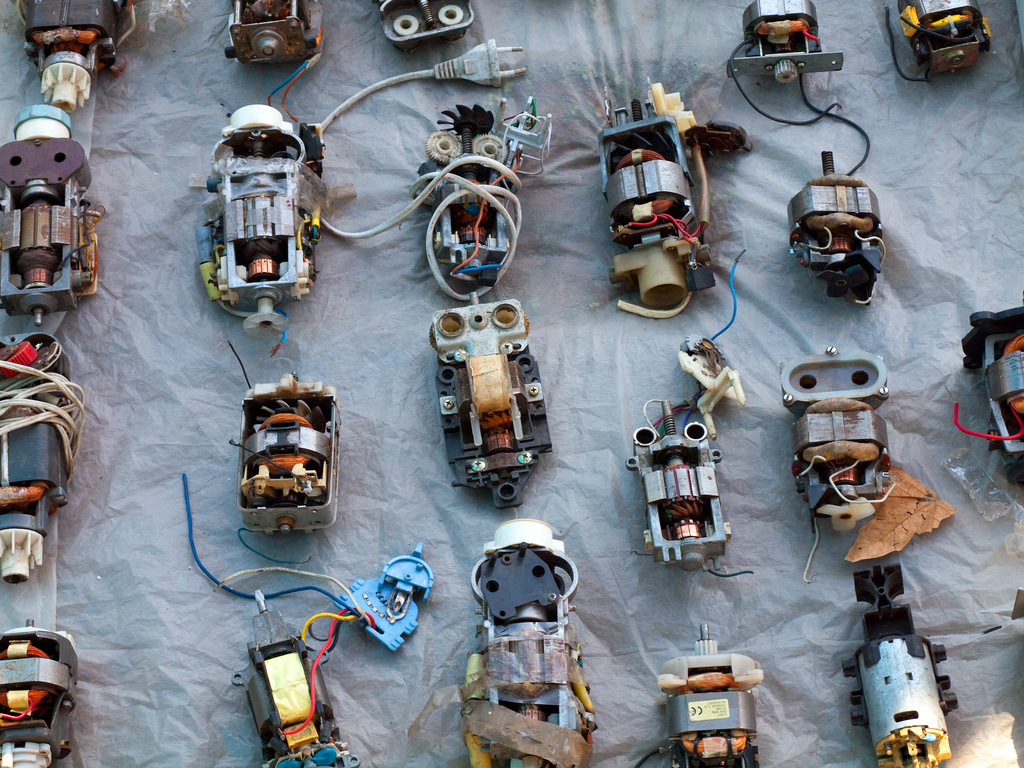
There are now 755 electric motor manufacturing plants in the United States, mainly situated in the South (33 percent of all plants) and Midwest (35 percent of all plants). The majority of plants are located in Illinois, with 70 plants, and Ohio, with 46 plants. Over the past 12 months, jobs in this industry have increased by three percent. Dreison International Inc. of Cleveland, Ohio, IPS of Litchfield, Minnesota, and RAM Industrial Services Inc. of Camp Hill, Pennsylvania, have reported significant employee growth. Companies in the electric motor industry are twice as likely to report sales growth than other U.S. manufacturing companies. Sales have increased by two percent over the past year, with current average sales totalling 15.2 trillion dollars. Companies such as Clark-Fowler Electric Motors and Suppliers of Wooster, Ohio, Dietz Electric Company of Milwaukee, Wisconsin, and A-1 Electric Motor Service Inc. of Park Hills, Kentucky have reported sales growth over the past year.

Industrial News·Wednesday, August 2, 2017
America's leading adhesives suppliers
Amid a changing global manufacturing industry, suppliers of adhesive products in the U.S. showed positive growth signs from 2016 to 2017. According to IndustryNet data, adhesives companies in every region of the United States were resilient in the face of global economic challenges. A look at the top 10 U.S. adhesives suppliers gives domestic manufacturers plenty of cause for optimism as 2017 moves forward. Top 10 U.S. adhesives companies by total employment Based on new data from IndustryNet, the top 10 suppliers of adhesives in the U.S. represent a who's who of domestic manufacturing. Specifically, IndustryNet reported the following data from May 2016 to May 2017: 1. LORD Corporation 2. H.B. Fuller 3. Mechanics Helper, Inc. 4. L&L Products, Inc. 5. 3M Co., Specialty Materials Resource Division 6. Franklin International, Inc. 7. Adhesives Research, Inc. 8. Cytec Engineered Materials, Inc. 9. Ellsworth Adhesives Specialty Chemical Distribution, Inc. 10. LATICRETE International, Inc.
Industrial News·Monday, July 31, 2017
The U.S. adhesives industry: important trends and surprising discoveries
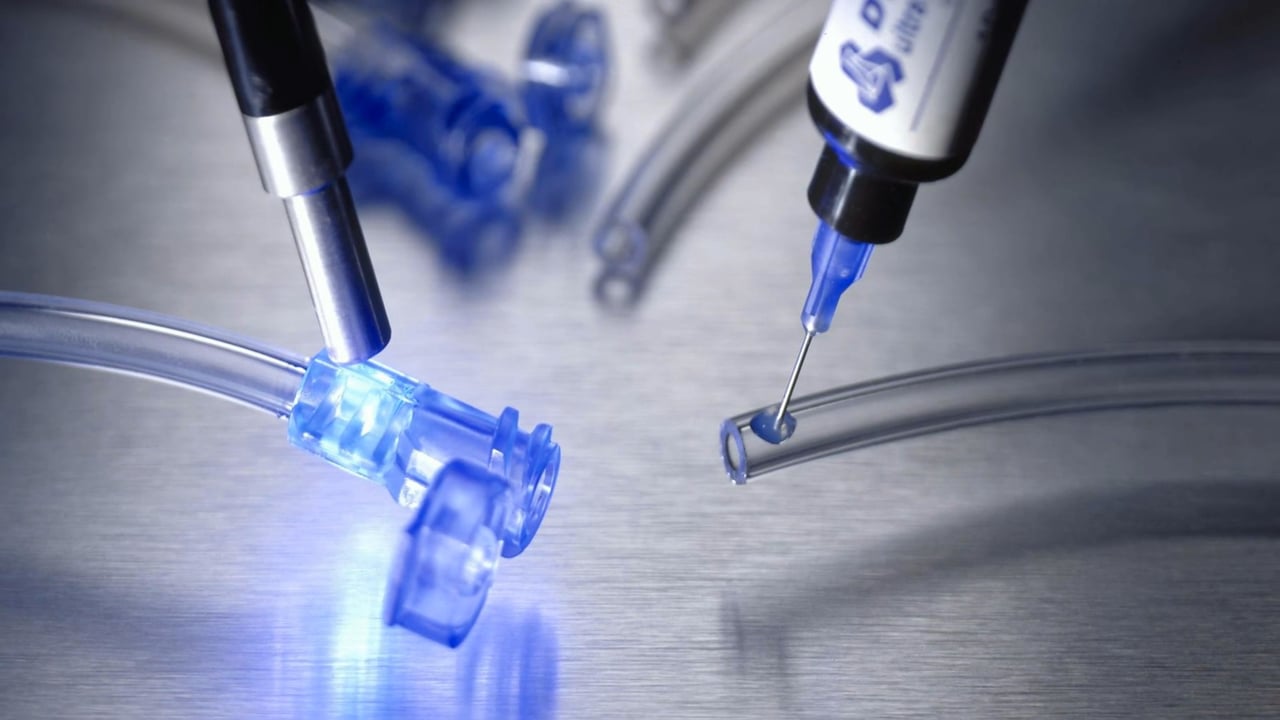
New data compiled by IndustryNet sheds light on the state of the U.S. adhesives industry. In line with U.S. manufacturing in general, industrial adhesives, hot-melt adhesives and adhesive application machinery stood out as top performers by average sales. The future appears promising for the U.S. adhesives market. Average sales of U.S. adhesives manufacturing totaled $9.5 billion. The hot-melt adhesives sector sold approximately $113 million in goods, and adhesive application machinery encompassed $107 million in sales. In line with the entire U.S. industrial sector, 1 percent of companies reported sales growth in 2016. What makes U.S. adhesives manufacturing so interesting is the industry's increasingly global reach. Of adhesives companies in the U.S., 30 percent imported raw materials, as of May 2017. With respect to export activity, 62 percent of adhesives companies had international distribution. To add context to these data points, only 11 percent of companies in the U.S. industrial sector in general imported raw materials, and only 29 percent distributed internationally.

Industrial News·Wednesday, July 26, 2017
Top twenty metal stamping companies in the U.S.
Yesterday, IndustryNet reported metal stamping companies in the U.S. are experiencing strong growth in both employment and sales, with the Midwest seeing the largest year-over-year gains. Boosted by sustained growth in the auto industry, metal stamping is booming in the Midwest. Over half of all United States metal stamping companies are located in this region, which includes Ohio with 176 plants (14 percent of all plants), Michigan with 130 plants, and Illinois with 124 plants. The Midwest employs over 41,000 people in this industry, and the number continues to grow, as evidenced by the fact that 70 percent of companies in the region are reporting employee growth. Across the United States, 63,456 total employees work for metal stamping companies. IndustryNet has compiled a list of the largest employers in the industry, with nearly all operating in the Midwest region.

Resources·Monday, July 24, 2017
Five trends in building materials
The architecture and construction industry certainly isn't stagnant when it comes to innovation and progress. Many are aware that green building, for example, has become hugely popular in both residential and commercial building design. While construction techniques change with times as industry leaders find more effective ways of building, the materials used in construction have the biggest impact on future building design. Wood will always play a major part in building construction. It is the most traditional material used and few buildings are constructed without wood products being used. Unfortunately wood alone has many downsides when it comes to longevity, durability, availability, and sustainability. Wood isn't a weak material, but it certainly has weaknesses that many would rather not work with. An ideal alternative to this is thermally-modified wood. Thermally-modified wood is regular wood that has been treated with special chemicals and high heat to create a far stronger product. Unlike composites, thermally-modified wood truly is real wood. It does not contain plastics or other materials. It is highly versatile as well in how it can be used. It is equally suitable in any situation in which normal wood would have been used, in both commercial and residential building. For example, thermally-modified wood is a stunning and far longer-lasting choice for wood decking in a commercial rooftop space. Does your client have a few pool deck ideas in mind but they're set on wood? Thermally-modified wood can be used with far greater success than a normal wood in this situation. Sustainability is a primary concern when using wood in building, as mentioned above. Though thermally-modified woo

Company Announcements/Insights·Friday, July 21, 2017
Epec Now Offering PCB Layout and Design Services
Epec Engineered Technologies, one of America's oldest printed circuit board (PCB) manufacturers located outside of Boston, MA, announced today their latest offering of PCB layout and design services to their customers. Founded in 1952, Epec has a long history with circuit boards and the PCB industry. Over the past 65 years, Epec has worked on countless circuit board parts for some of the top tier OEMs in the electronics industry. From having PCBs on the Apollo 11 spaceflight, which landed the first humans on Earth's Moon, to their recent advancements in heavy and extreme copper circuit boards, Epec's sixty-five year history of innovation has truly made them a thought leader amongst the electronics community. Epec's PCB layout and design services encompass a full design flow including rules driven designs, schematic capture, library development, database construction and verification, signal integrity/design verification, EMI checking and many others.

Industrial News·Wednesday, July 19, 2017
The top twenty companies in the U.S. roofing industry
Yesterday, guest contributor Matt Lee provided an overview of five factors to consider when choosing the best roofing supplier for your next project. To help you get more acquainted the industry, we've compiled some of the top companies in the U.S. roofing sector based on number of employees and square footage. From Greenwood, Delaware to South Gate, California and producing everything from roof coatings, roof trusses, metal roofing and more, these are some of the largest roofing companies in America. Top 10 roofing companies by number of employees Firestone Building Products Co. Prescott, AR Number of employees: 600 In 2012, Firestone Building Products (FSBP) invested more than $36 million at its EPDM manufacturing facility in Prescott. By improving infrastructure and increasing capacity, FSBP was able to add 100 jobs and strengthen its ability to respond to customer demands. World Oil South Gate, CA Number of employees: 570 What began in 1938 with a single gas station at the corner of Florence and Normandie in South Central Los Angeles is today one of California's largest privately held companies. NVR Building Products Thurmont, MD Number of employees: 500 As one of America's leading homebuilders, they serve homebuyers in 29 metropolitan areas in 14 states. Carpenter Contractors Of America, Inc. Winter Haven, FL Number of employees: 500 The Winter Haven plant sits on 54 acres between the high growth areas of Tampa and Orlando.

Resources·Tuesday, July 18, 2017
5 things to consider when choosing a roofing company
The importance of taking the time to vet potential roofing companies is equally significant to both homeowners and roofing contractors. The manufacturer of the roofing shingles is the key determination in how long the roof will last and whether or not it is an appropriate choice for the homeowner's region. Even the most perfectly installed roof will provide little value if it is poorly manufactured or is lacking in proper design for weather protection. The vast majority of roofing manufacturers offer a lifetime warranty on their shingles, so this alone shouldn't be a deciding factor. A lifetime warranty sounds great, especially to unknowing homeowners, but what roofing companies realize is that the average homeowner will probably move from the home before the roof begins to show age. The typical homeowner only remains in a house for less than 10 years after all. Instead look for specific warranties available for storm damage, sun damage and other ways the roof may fail and need repair. The more reputable companies will have separate warranties if specific wind speeds damage a roof that was rated to be able to withstand it. If you are a homeowner it would be wise to also inquire as to what documentation you will need to hold onto in the event the roof fails under warranty. One trend that will continue to grow is the consumer demand for more sustainable, eco-friendly materials used in home construction. When it comes to roofing materials more homeowners and contractors alike are striving to design a greener home, without forsaking durability and longevity. Asphalt shingles are still the most common roofing material but aren't the most eco-friend

Resources·Monday, July 10, 2017
Finding the right PCB manufacturer
Considering the printed circuit board often acts as the "brain" of a device, selecting the right one for a project is a critical step. Finding a PCB source becomes an equally critical component of the device's design and construction. The size, shape, and complexity of the PCB depends on the intended function it will serve. Many PCBs will populate a broader, larger panel so more features are enabled than a single PCB can provide. In many industries, PCB construction must comply with national and international standards, such as Restriction of Hazardous Substances and Underwriters' Laboratories standards. Consequently, many manufacturers are careful to ensure their PCB products comply with current requirements. Virtually every industry uses PCBs, so there are as many variations of PCB design and construction as there are industries. Some PCB manufacturers, such as Delta Circuits, cater to many sectors. Delta creates PCBs for soft drink dispensing machines as well as telecommunications equipment. Other PCB companies such as Galaxy Circuits, add "green" technology considerations to their manufacturing processes. PCB companies that cater to the military or defense industries, such as Micron Corp, must register with and follow the International Traffic in Arms Regulations.
Resources·Friday, June 23, 2017
Five pro tips on finding the best scrap metal processor, prices for your company's needs
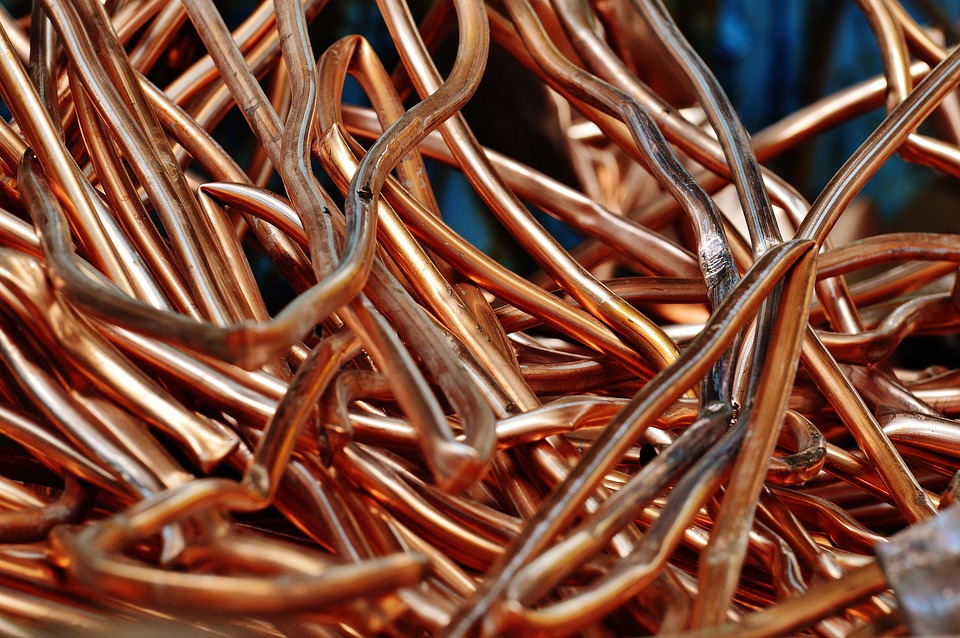
Earlier this week, IndustryNet reported on scrap metal processing in the U.S., with new data indicating the sector may be poised for a rebound. With so many scrap metal processors out there, it's a challenge to find one that meets your exact specifications. When looking for a scrap metal recycler, many companies might assume the most important factor is the price they receive for scrap. Of course this is an important consideration, but there are several other things to think about before settling with scrap recycler -- which can ultimately affect your bottom line, including: 1. What types of metal does the scrap metal recycler process? Companies that produce many different types of metal should find a company that can process it all. This may seem obvious, but it is important to note that some companies collect only specialty or common metals. Other companies, like NH Kelman Scrap Recycling of Cohoes, New York, accept all ferrous (i.e. iron-containing) and non-ferrous (i.e. non-iron-containing) scrap metals. Manitoba Corporation of Lancaster, New York offers special services, such as dismantling medical and industrial equipment, including MRI and X-ray machines. 2. How is the final product packaged and how quickly can they package it? Typically, scrap metal recyclers compress the materials and bale them to provide dense packaging. The faster a company can compress and bale the scrap metal, the more efficient a company's operation can be. A-Line Iron and Metals of Waterloo, Iowa can bale 12-16 tons of scrap metal per hour. On the other hand, some companies choose to flake or chop scrap metal before packaging to allow for easier handling. Manitoba splits these processed scrap metals into smaller packages, like paper and cloth bags, and plastic or metal pails and drums. 3. Can they recycle scrap metal on site without interfering with site operations?
Company Announcements/Insights·Wednesday, June 14, 2017
Epec Acquires Industry Leading RF Manufacturer Putnam RF Filters Inc.
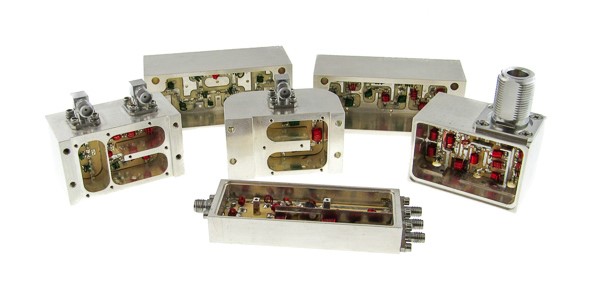
Epec Engineered Technologies, a leading build to print electronics manufacturer located outside of Boston, MA, announced today the acquisition of high reliability custom radio frequency (RF) product manufacturer - Putnam RF Filters, Inc. Putnam was founded in 2008 in Manchester, NH and was designed to serve the military and aerospace industries. With a focus on manufacturing printed circuits board based RF filters, diplexers, and other custom products. Epec now offers full design and manufacturing of RF filters which are passive multiport device(s) that allows signals to pass through at discreet frequencies but rejects any frequency outside of a specified range. These devices are typically used in satellite systems, mobile communications, radar systems, medical imaging equipment, remote-sensing systems, and electronic warfare systems. Ed McMahon, CEO of Epec said "High reliability custom RF products fit perfectly into our brand promise of providing customers with manufacturing that eliminates risk and improves reliability as Putnam RF Filters is at the leading edge of this technology. With our considerable hi-tech manufacturing investment in both the U.S. and Asia, as well our history as one of the oldest PCB manufacturers in the U.S., we are well positioned to dramatically build this new product offering on the technology and the experience of Putnam RF Filters."
